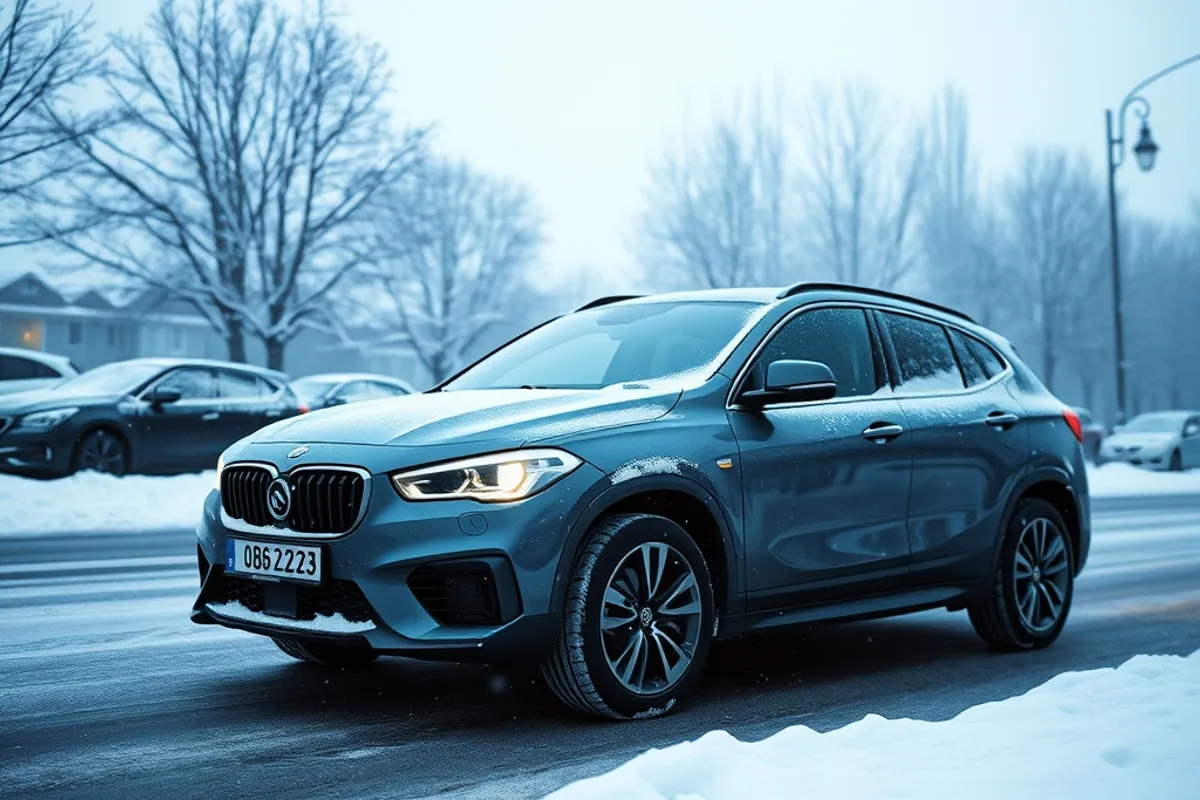
Cold weather exposes every weak point in a car at once. The battery has less capacity, the tyres have less grip and the driver has less margin. Preparation is mostly checking, not buying.
The first cold morning is the wrong time to discover a tired battery or a washer bottle filled with summer fluid. Work through this list before the temperature drops, and keep the emergency kit in the boot all season.
Tyres: the seven-degree rule
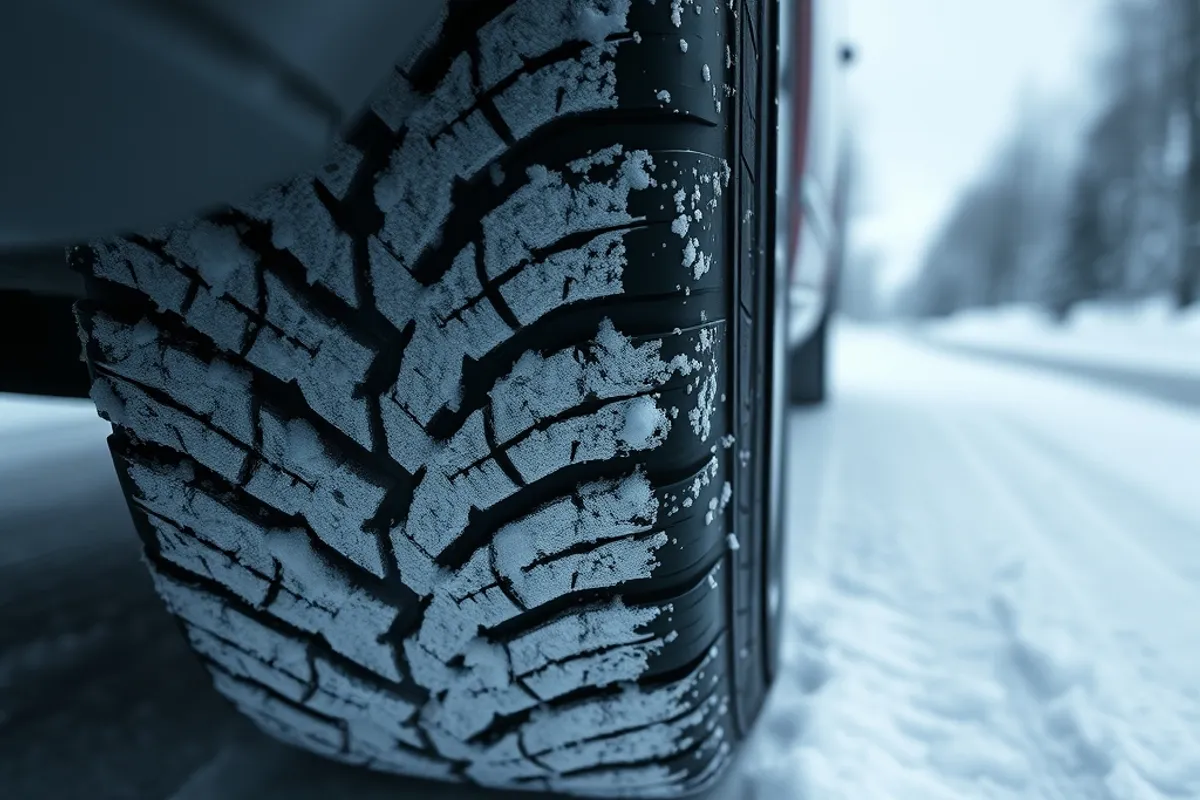
Summer tyres lose grip as the temperature falls below about 7°C because the rubber compound hardens. Winter tyres use a softer compound and more sipes to bite into cold, wet and snowy surfaces. All-season tyres sit in between and are a reasonable compromise for mild climates with occasional frost.
Check tread depth and pressure. Cold air lowers pressure, so set it to the manufacturer's cold-weather recommendation and recheck monthly. Look for sidewall cracks and uneven wear. If you fit winter wheels, check the TPMS sensors and the wheel bolts after the first 50 km.
Battery and cold starts
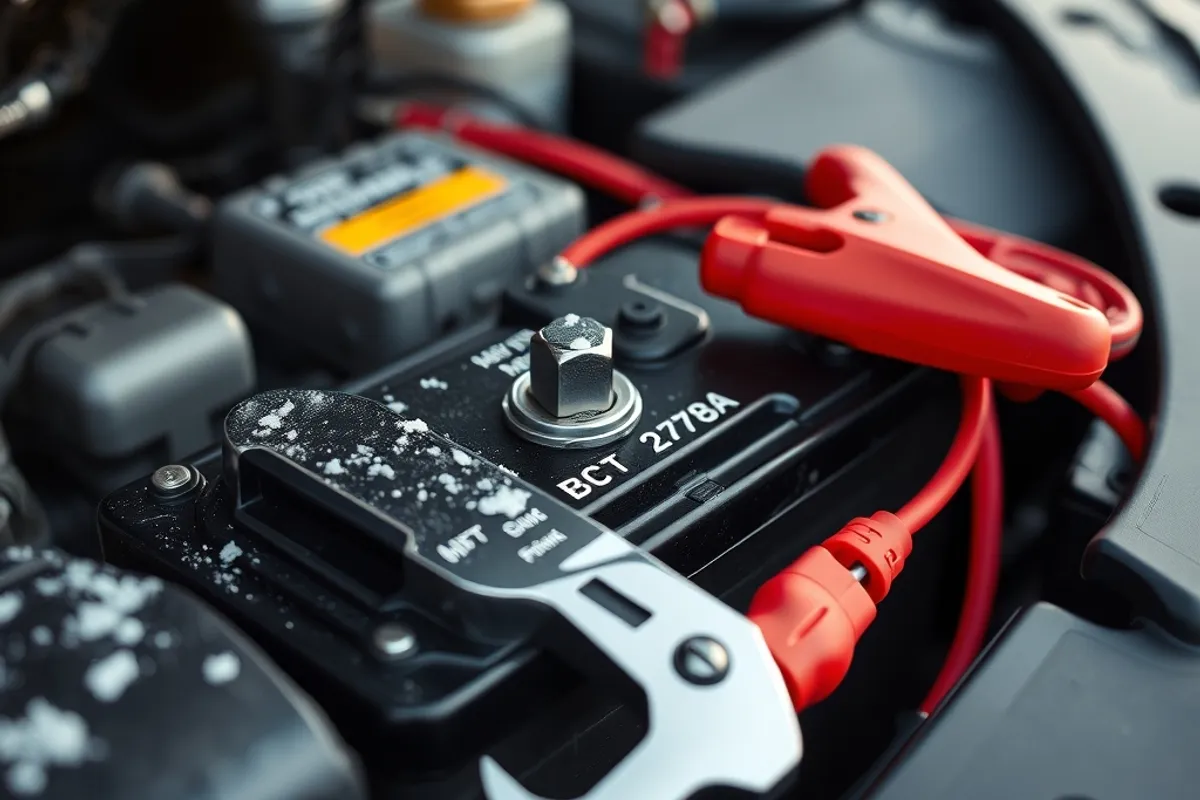
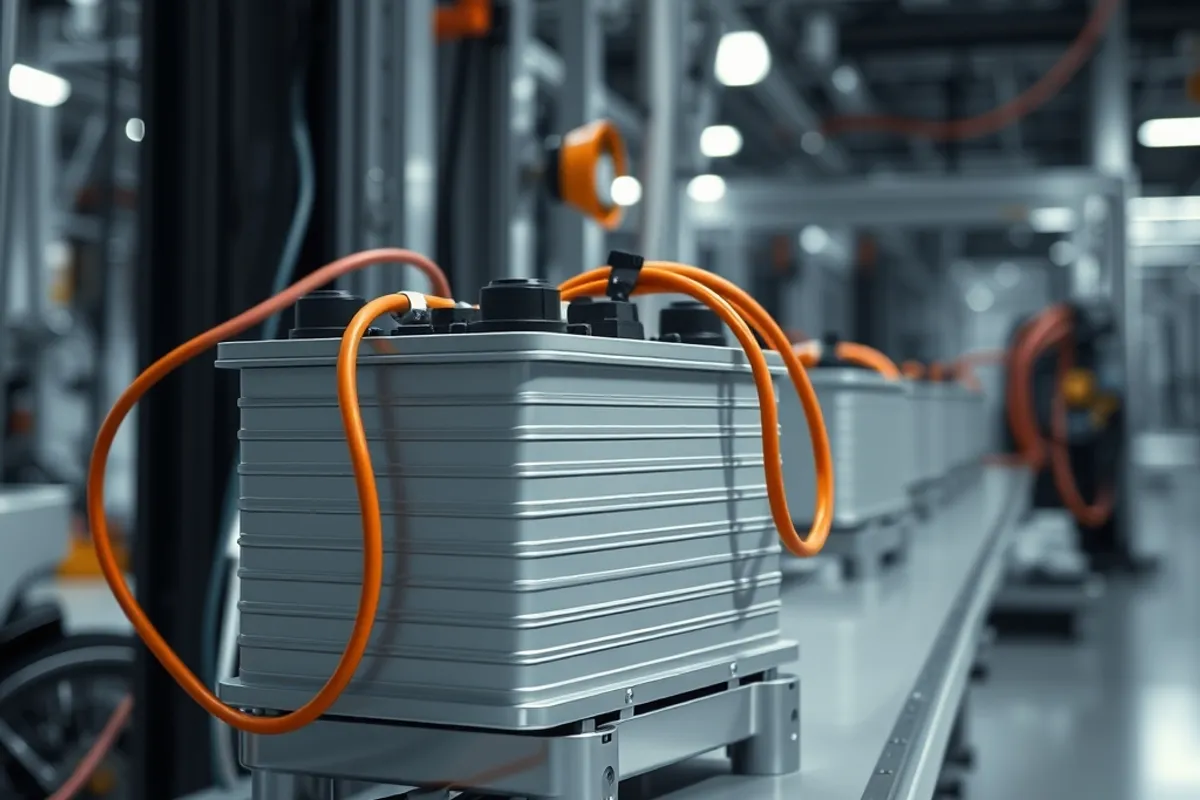
A battery loses a significant part of its cranking power in freezing weather. Have it tested before winter, especially if it is more than four years old. Clean the terminals, tighten the clamps and apply a protective grease. If the car cranks slowly, replace the battery before it strands you.
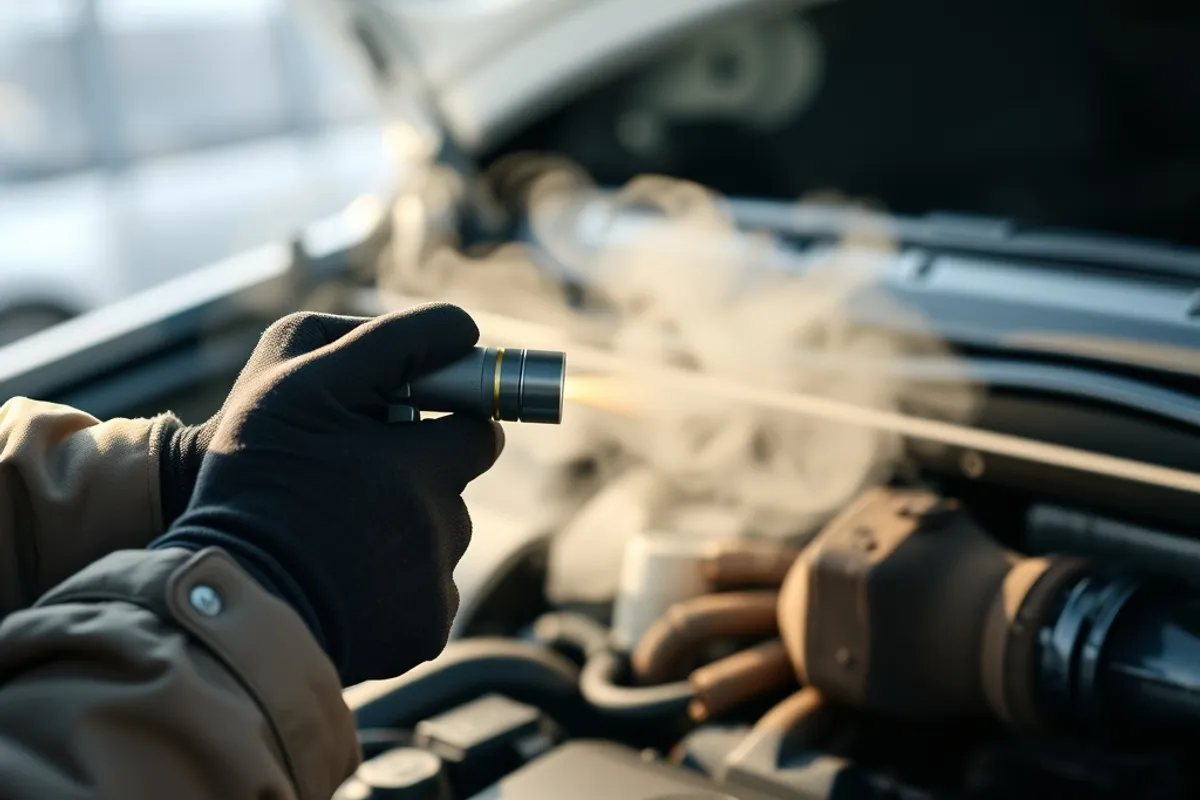
Start the engine and let it idle for a short time, then drive gently. Long idling wastes fuel and warms the engine slowly. Use the correct oil viscosity for the climate; a winter-rated oil flows more easily when cold and reduces wear at start-up.
Fluids and visibility
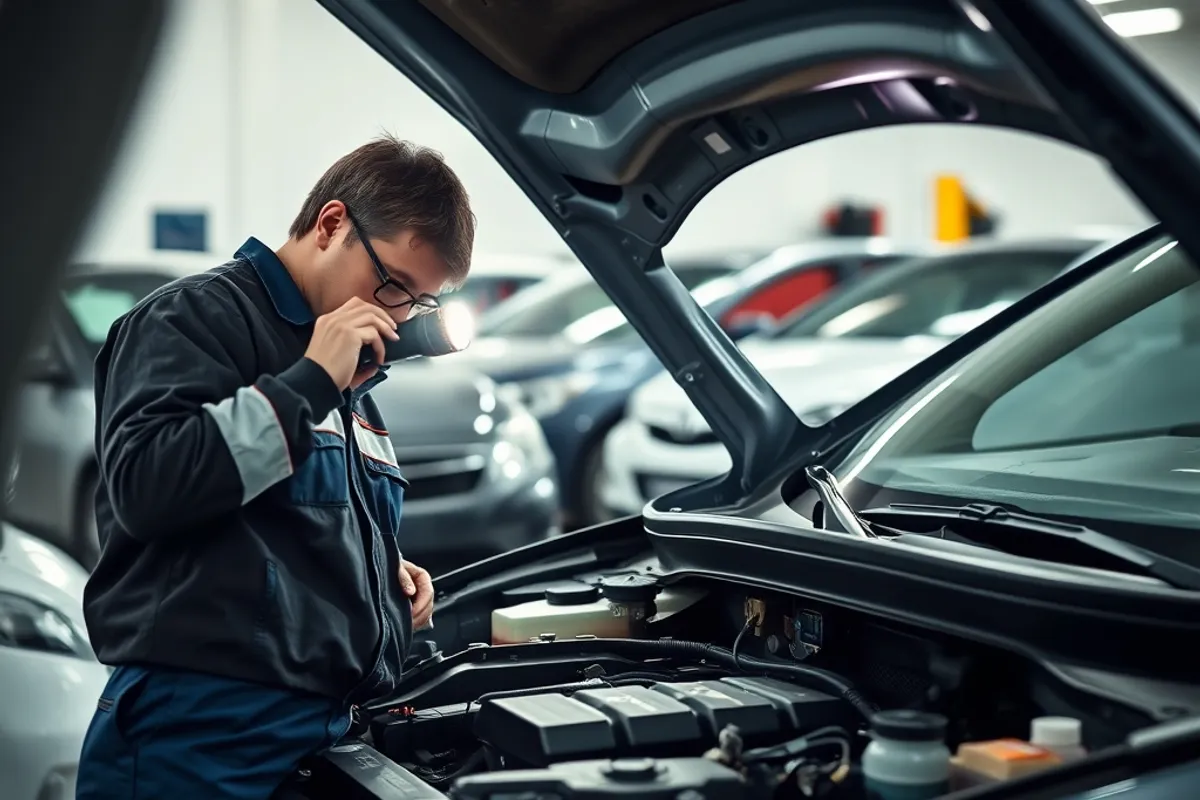
Check the coolant strength with a tester; a weak mix can freeze and crack the engine or radiator. Top up with the correct specification, never just water. Use winter-rated washer fluid and keep a spare bottle in the car. Summer fluid can freeze in the nozzles and on the glass.
Replace worn wiper blades. Lift them off the glass before a freeze if snow is forecast, so they do not stick. Keep the lights clean; road salt dims them quickly. A headlight polish or new bulbs can make a real difference on dark commutes.
The winter kit
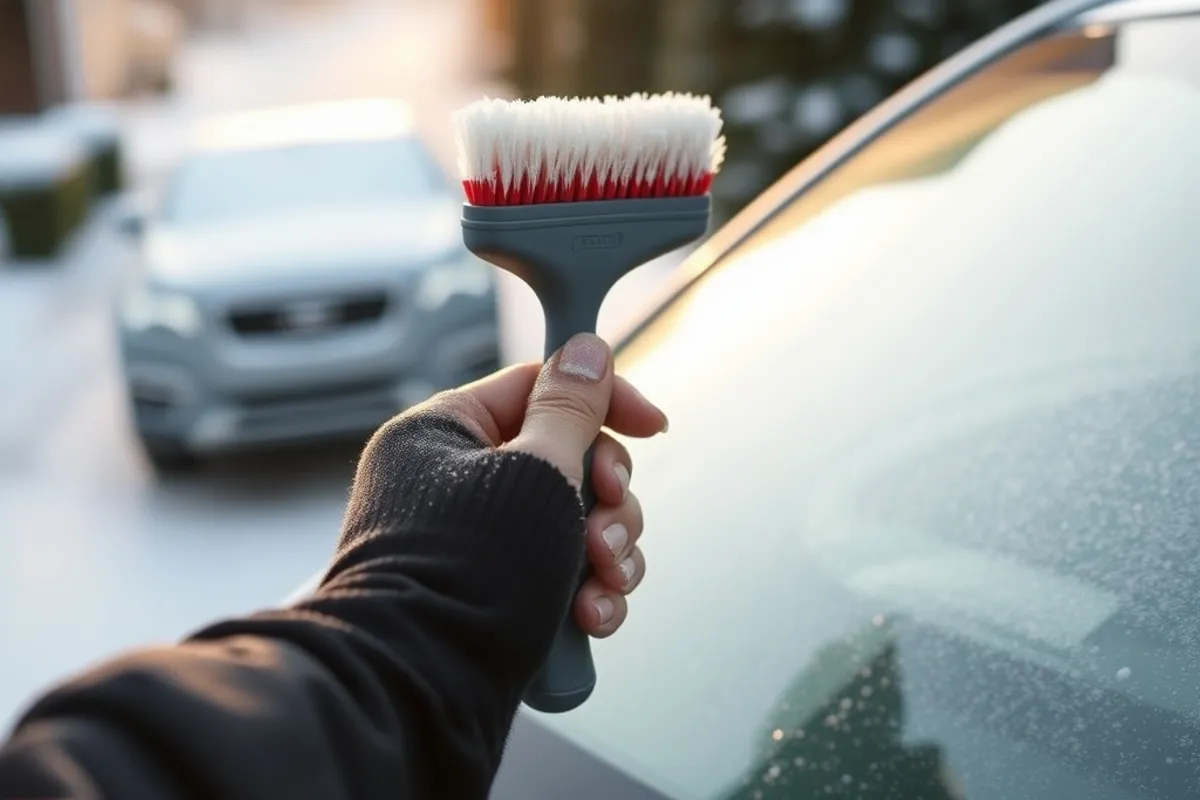
Carry an ice scraper, a snow brush, a shovel, jump leads or a jump pack, a torch, warm gloves, a blanket, water and a phone charger. Add a high-visibility vest and a warning triangle if local rules require them. In remote areas, a bag of grit or sand helps with traction.
Keep the fuel tank at least half full. It gives you range if you are stuck and reduces condensation in the tank. In an electric car, precondition the cabin while plugged in and plan charging stops with a margin for cold-weather range loss.
Winter does not reward bravery. It rewards the driver who checked the battery in October and keeps a blanket in the boot.
Driving on ice and snow
Accelerate, brake and steer smoothly. Leave a much larger gap than in dry weather. Use engine braking on slippery descents and avoid cruise control on ice. If the car starts to slide, look where you want to go and make small, deliberate corrections.
Clear snow from the roof, bonnet and lights before driving. A sheet of snow sliding onto the windscreen can blind you, and snow blowing off the roof endangers the car behind. Do not pour hot water on a frozen windscreen; the thermal shock can crack the glass.
Parking and storage
Park facing east where possible so the morning sun helps clear the glass. Avoid parking under trees that drop ice, and do not leave the handbrake on for long periods in freezing weather if the car has rear drum brakes; use a wheel chock instead. Check the door seals with a silicone treatment so they do not freeze shut.
If the car will sit for weeks, connect a battery maintainer and inflate the tyres to the storage pressure. Wash the salt off the underside and the wheel arches when the weather allows; rust loves a salty, wet car.
Before the first freeze
- Test the battery and clean the terminals.
- Check tyre tread, pressure and sidewalls.
- Verify coolant strength and winter washer fluid.
- Replace wiper blades and clean the lights.
- Pack a blanket, torch, jump pack and scraper.
- Keep the tank at least half full.
When to stay home
No checklist makes a rear-wheel-drive car on summer tyres safe on black ice. If the roads are untreated and visibility is poor, delay the journey. For the used car you just bought, run our inspection checklist before winter. For two wheels, see the wet riding setup. More ownership guides are on the Car Tips & Guides desk.