Most used cars are rejected in the first ten minutes, not the last. A cold start, a torch along the paint and a look at the tyre shoulders will tell you more than a glossy advert ever will.
This checklist is the one we use on private viewings and dealer forecourts. It does not replace a professional pre-purchase inspection, especially on an expensive car. It does tell you whether the car deserves the $150 to $300 that a proper inspection costs.
Before you leave home
Ask for the registration document, the service history and the VIN before you travel. Check that the VIN on the advert matches the document and that the service book has stamps rather than handwritten notes. A car with no history is not automatically bad, but it should be priced accordingly.
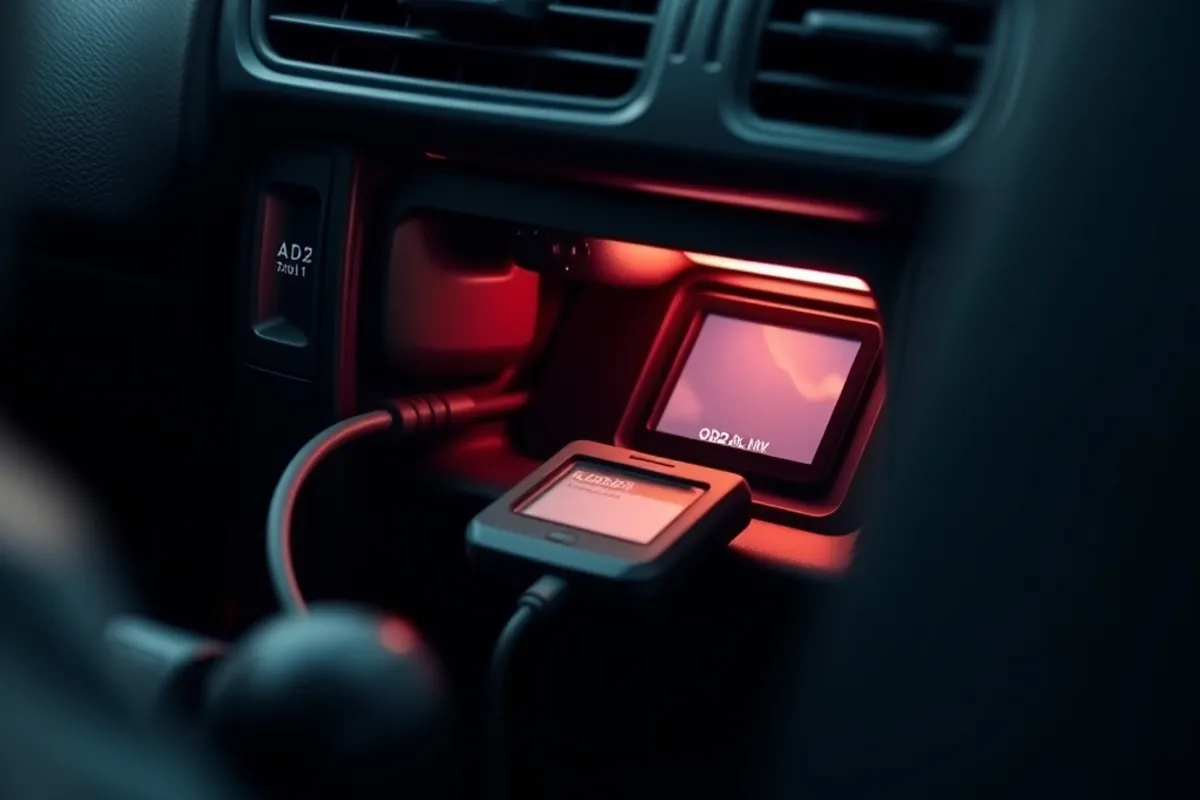
Bring a bright torch, a tyre tread depth gauge, a small magnet wrapped in cloth, an OBD2 scanner that matches the car, a clean cloth and a sheet of paper. Wear clothes you do not mind getting dirty. If the seller will not let you look underneath or scan the car, end the visit there.
Start it cold
Tell the seller not to warm the engine before you arrive. A cold start reveals a weak battery, a noisy timing chain, a rough idle, blue smoke or a starter that labours. Let it idle for two minutes and watch the exhaust. White vapour that disappears is normal in cold weather; blue smoke is oil, and thick white smoke that persists is coolant.
Open the bonnet while the engine is still cold. Look for fresh oil around the filler cap, coolant stains near the hoses and a reservoir that sits below the minimum line. A clean engine bay can be a sign of careful ownership or a recent steam clean that hides a leak. Check the ground under the car for fresh drips before you move it.
Walk the body with a torch
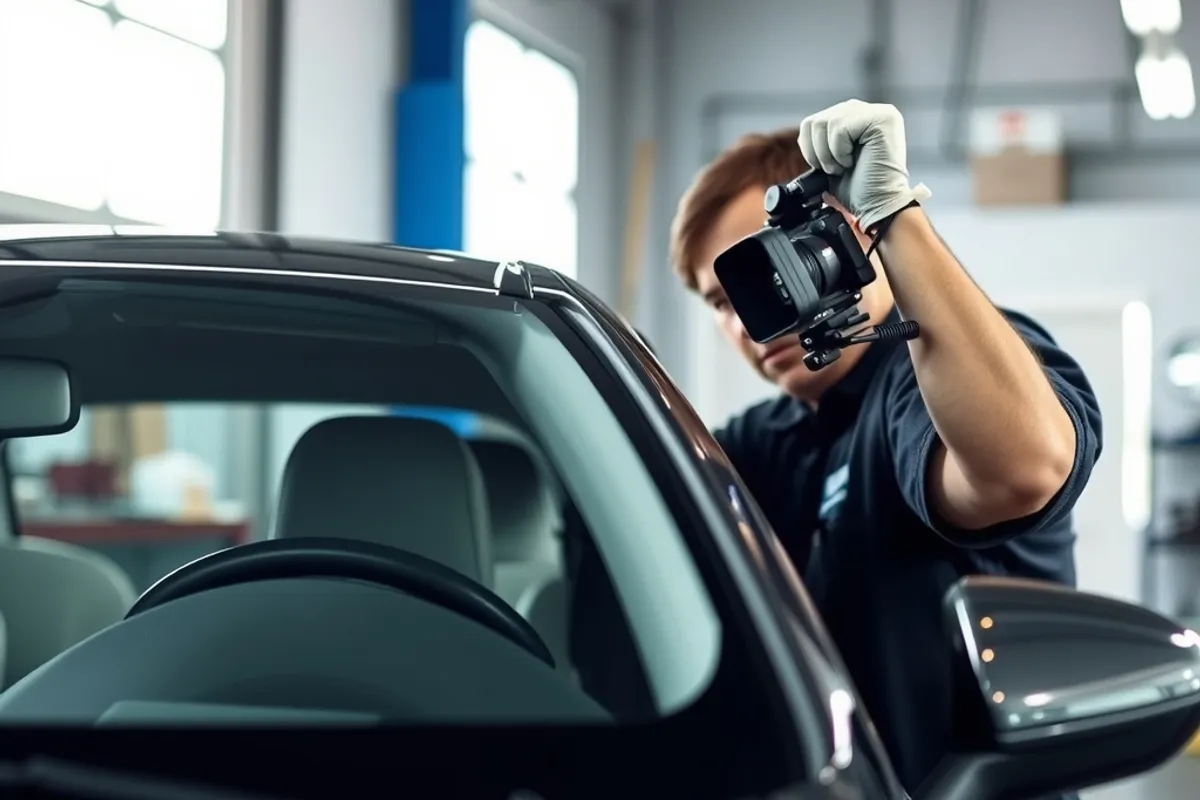
Stand at each corner and look along the panels at a low angle. Ripples in the paint, uneven panel gaps and a different shade on one door suggest repair. Run the magnet gently over steel panels; it should stick evenly. A weak or missing pull on a steel panel usually means body filler.
Check the windscreen for chips in the driver's line of sight, and look at the date code on each tyre. Tyres that are six years old or more should be replaced even if the tread looks deep. Uneven wear on the inner edge points to alignment or suspension work that the seller may not have mentioned.
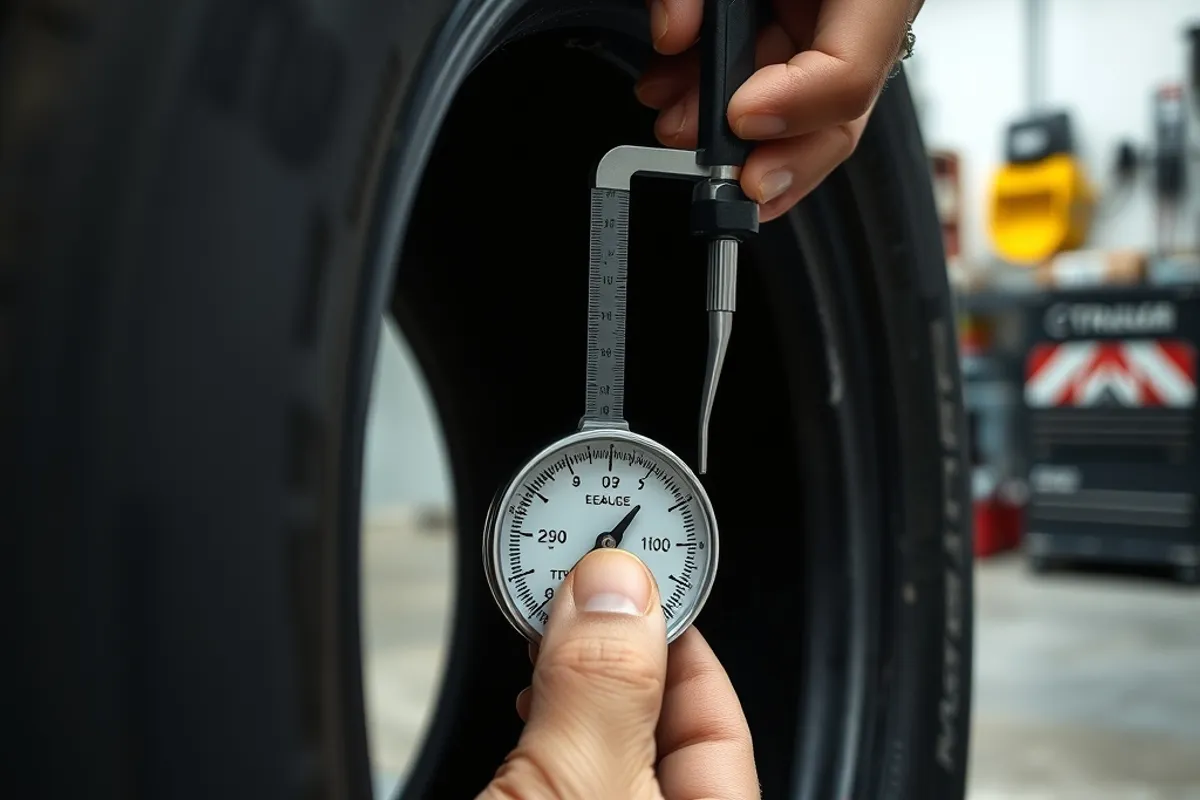
Tyres, brakes and suspension
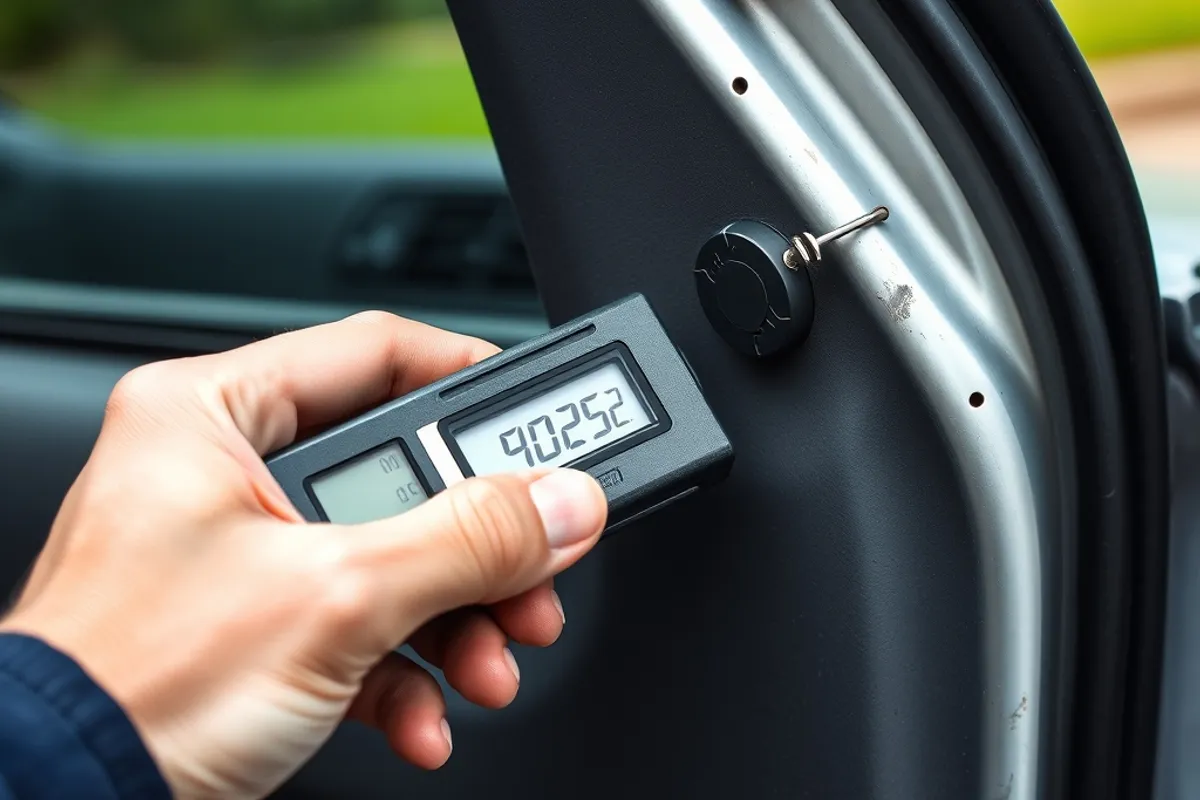
Measure tread in the centre and on both shoulders of every tyre. Legal minimums vary, but below 3 mm in a wet climate is a false economy. Check that all four tyres are the same size and that the tread patterns match across an axle. A mismatched set can upset ABS and stability systems on some cars.
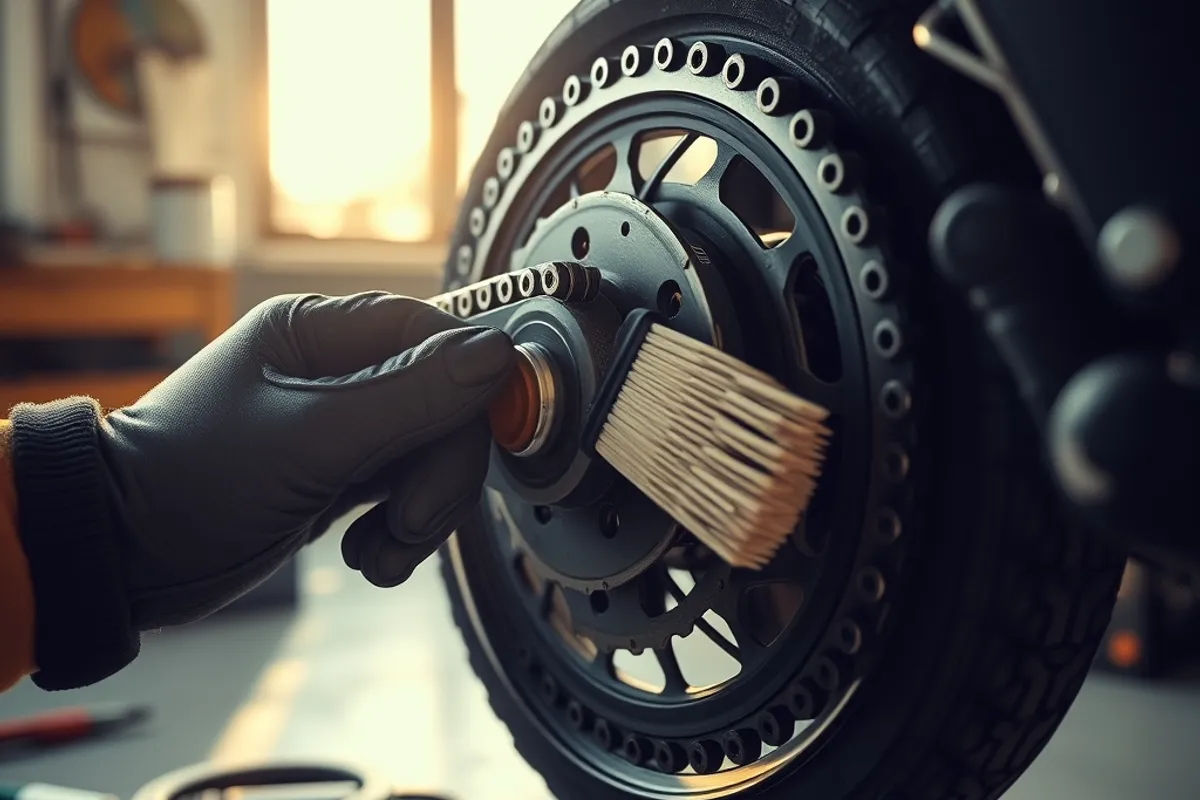
Look through the wheel spokes at the brake discs. A deep lip on the outer edge means the discs are near replacement. Shiny, scored faces or a pulsation through the pedal on the test drive point to warped or worn brakes. Push down on each corner of the car; it should settle in one movement, not bounce. Clunking over speed bumps can mean worn bushes or drop links.
Engine bay and fluids
Check the oil on the dipstick: it should be amber to dark brown, not gritty or milky. Milky oil can indicate a head gasket failure. Look at the coolant colour and smell; a sweet, syrupy smell with a low level is a warning. Brake fluid should be clear amber, and the reservoir should not be black.
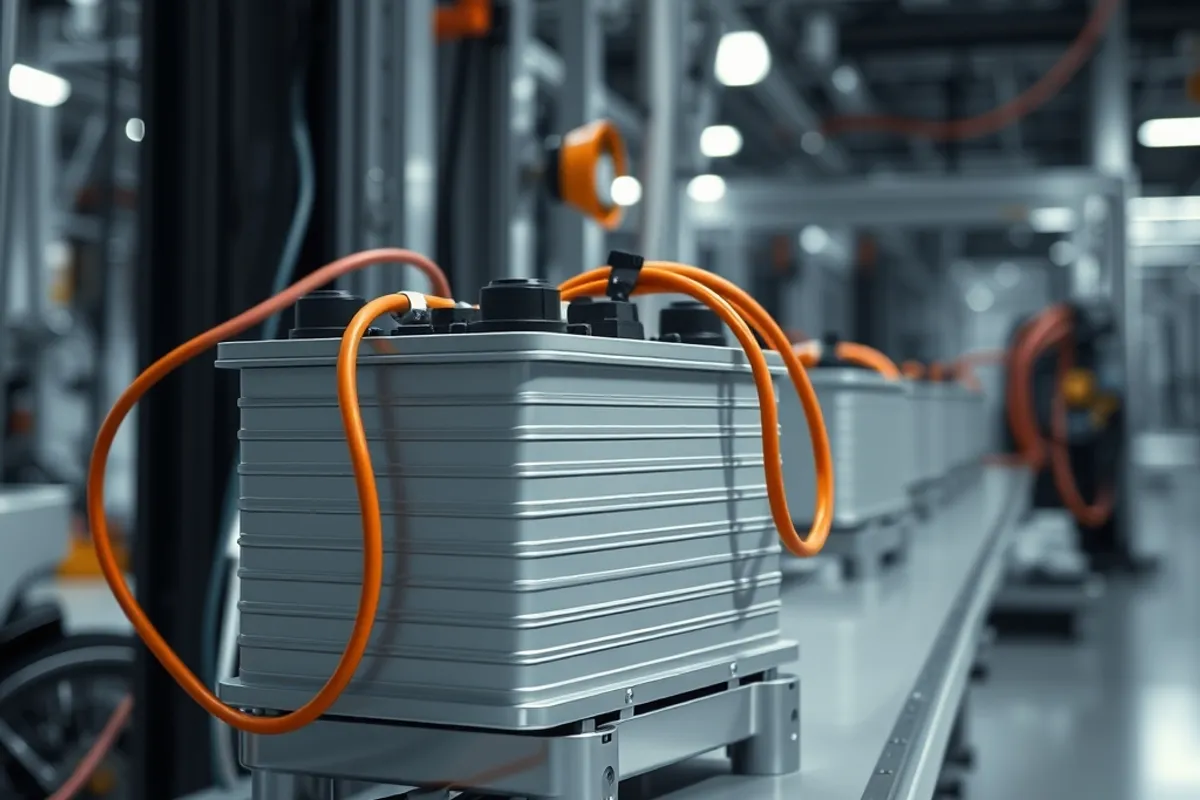
Inspect the belts for cracks and glazing, and check that the battery terminals are tight and free of heavy corrosion. Look for signs of recent work: fresh gasket sealant, mismatched bolts or a new hose on an old engine. None of these are automatically bad, but they are questions to ask.
Interior and electronics
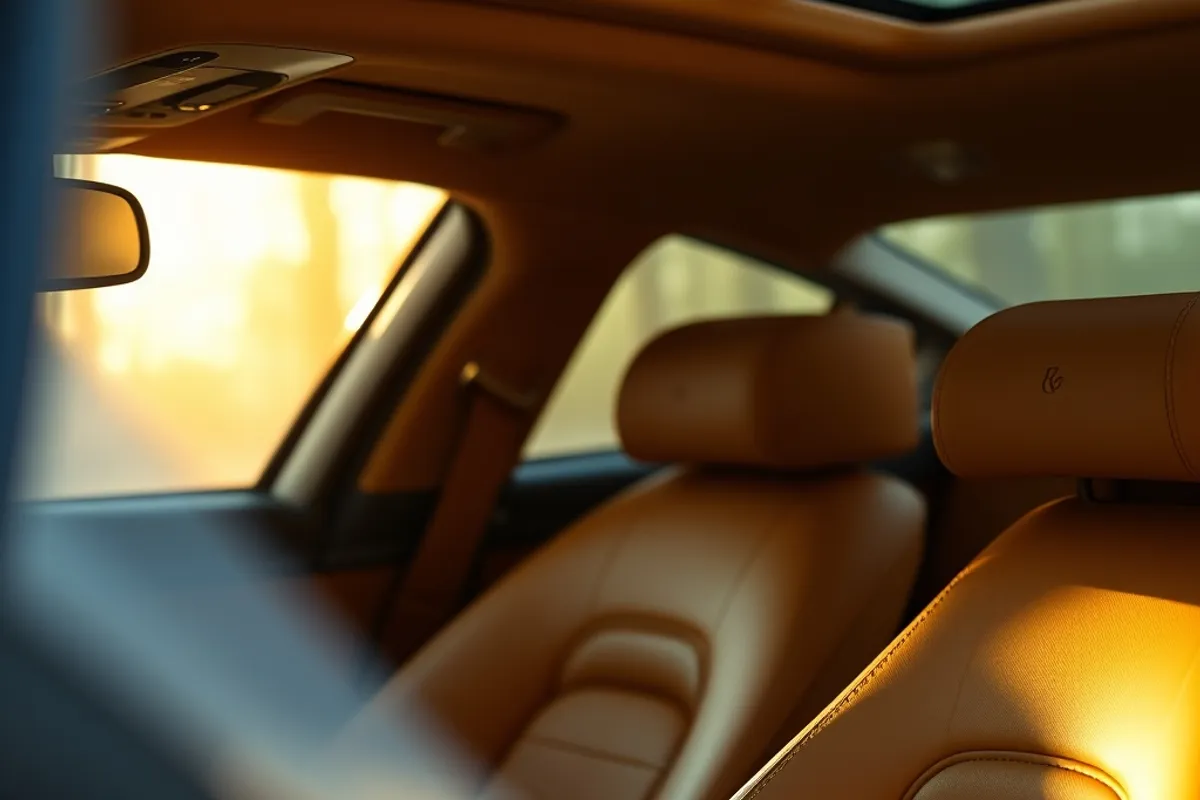
Sit in every seat and operate every switch. Test the windows, mirrors, air conditioning, heater, radio, reversing camera and all exterior lights. Press every button on the steering wheel. A single failed module can cost more than the discount you negotiated.
Check the seat belts for fraying and make sure they retract fully. Look under the mats for damp patches and smell the cabin for mould. Water leaks are expensive to trace. Plug in the OBD scanner and read pending as well as stored codes. A seller who has just cleared the codes may be hiding a recurring fault, so note the readiness monitors.
A used car is a bundle of future bills. The inspection is how you find out which bills are already due.
The test drive
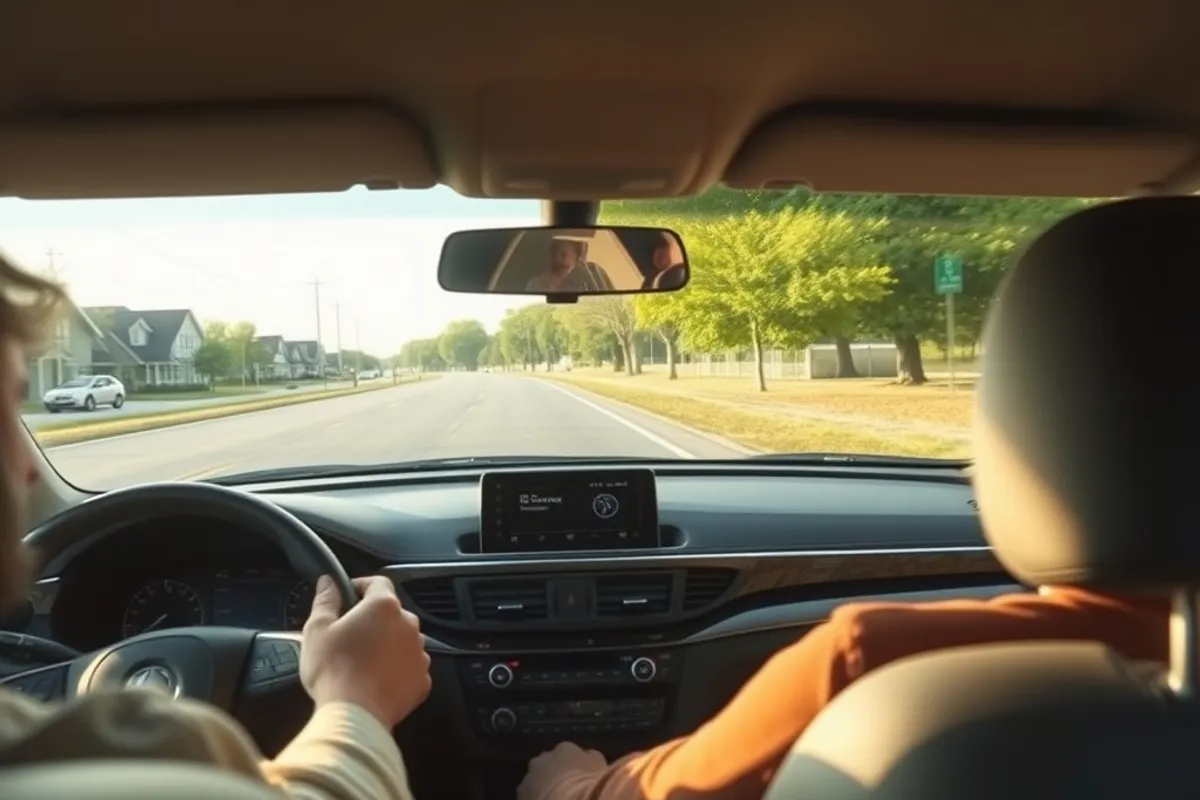
Drive for at least fifteen minutes on roads that include a stop-start section, a fast bend and a rough surface. Listen for whines that change with speed, clunks over bumps and a vibration through the wheel. Brake firmly from speed in a safe place; the car should stop straight without pulling.
On a quiet road, accelerate gently through the gears and check that the transmission shifts cleanly. On an automatic, watch for hesitation or a harsh engagement when cold. After the drive, let the engine idle and check for smoke or unusual smells. Look under the car again for fresh leaks.
Quick checklist
- Cold start, no blue or persistent white smoke.
- Service history and VIN match the documents.
- Paint ripples, panel gaps and tyre date codes.
- Tread at three points per tyre, brakes and suspension bounce.
- All fluids, belts, battery and signs of recent work.
- Every switch, seat belt and OBD code.
- Fifteen-minute drive with hard braking and a bumpy section.
What to do with the findings
Price the faults before you negotiate. A set of tyres, a battery and a brake job are predictable costs; a gearbox whine or a coolant leak is a reason to walk away. Ask for the repair estimate in writing if the seller offers to fix something. A promise is not a discount.
If the car passes this hour, book a professional inspection and a compression or battery health test where relevant. Then check our EV battery guide if the car is electric, and our winter preparation checklist before the first cold snap. More buying advice sits on the Car Tips & Guides desk.