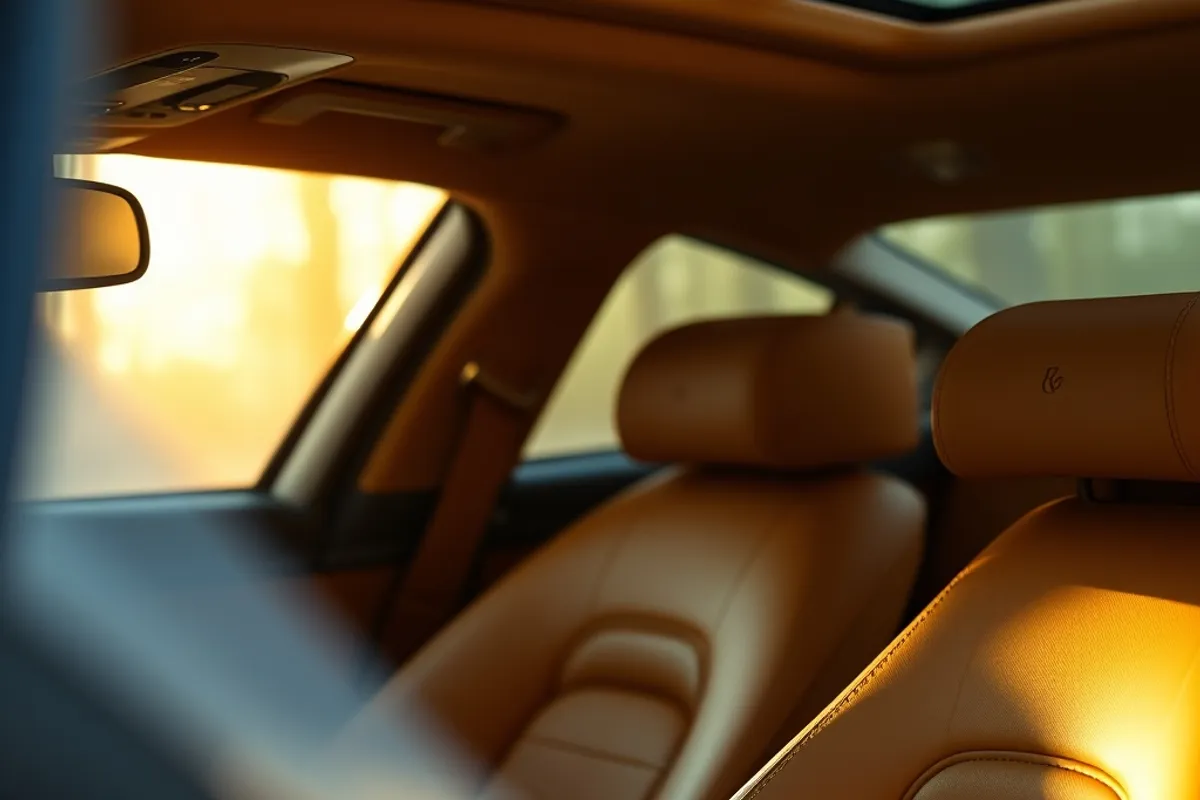
Interior quality is not the same as interior luxury. A cabin with expensive leather and poor UV protection can look worse after four years than a simple cloth interior that has been kept clean.
The materials you touch every day decide how a car ages: the steering wheel, the armrest, the seat bolsters and the top of the dashboard. Screens and ambient lighting are impressive in a showroom, but they do not determine whether a car feels tired at 100,000 km.
Leather, leatherette and fabric
Genuine leather wears in creases and darkens where hands and clothes rub. Good leather can be conditioned and kept supple; cheap coated leather can crack at the seams. Leatherette, usually a polyurethane or vinyl coating, resists spills and cleans easily but does not breathe as well and can peel if the coating fails.
Fabric hides scratches and stays cooler in summer, but light colours show stains and dark colours show lint. Tightly woven technical fabrics with a stain-resistant treatment are the most practical family choice. Suede and Alcantara look superb when new and are demanding to maintain.
Soft-touch plastics and the sticky dashboard problem
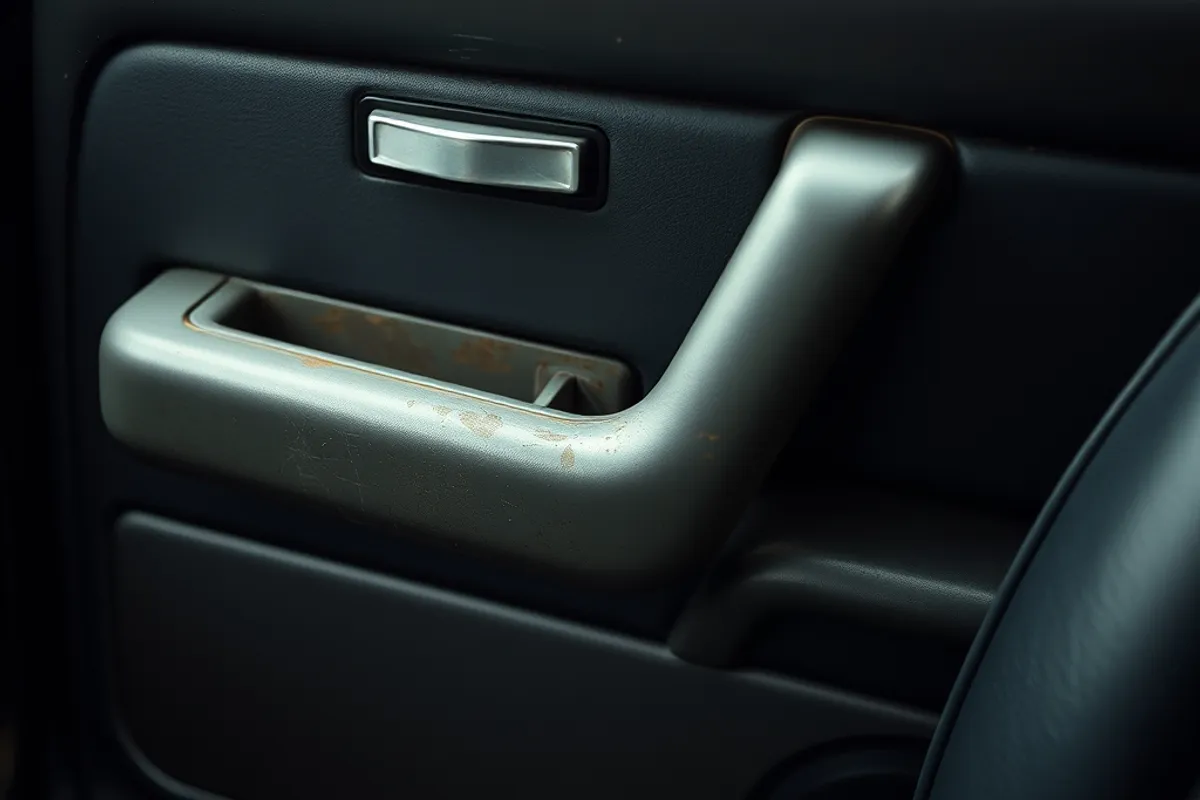
Many cars from the 2000s and 2010s used a soft-touch coating on dashboards and door cards. In hot climates, that coating can break down into a sticky, shiny film that attracts dust and cannot be cleaned properly. Once it fails, the fix is refinishing or replacement, not a stronger cleaner.
Modern interiors increasingly use hard, textured plastics with a consistent finish. They may feel less plush, but they age better. When you inspect a used car, run a clean finger across the top of the dashboard and look at the door pulls. Sticky residue or peeling edges are a warning.
Heat and UV are the real enemies
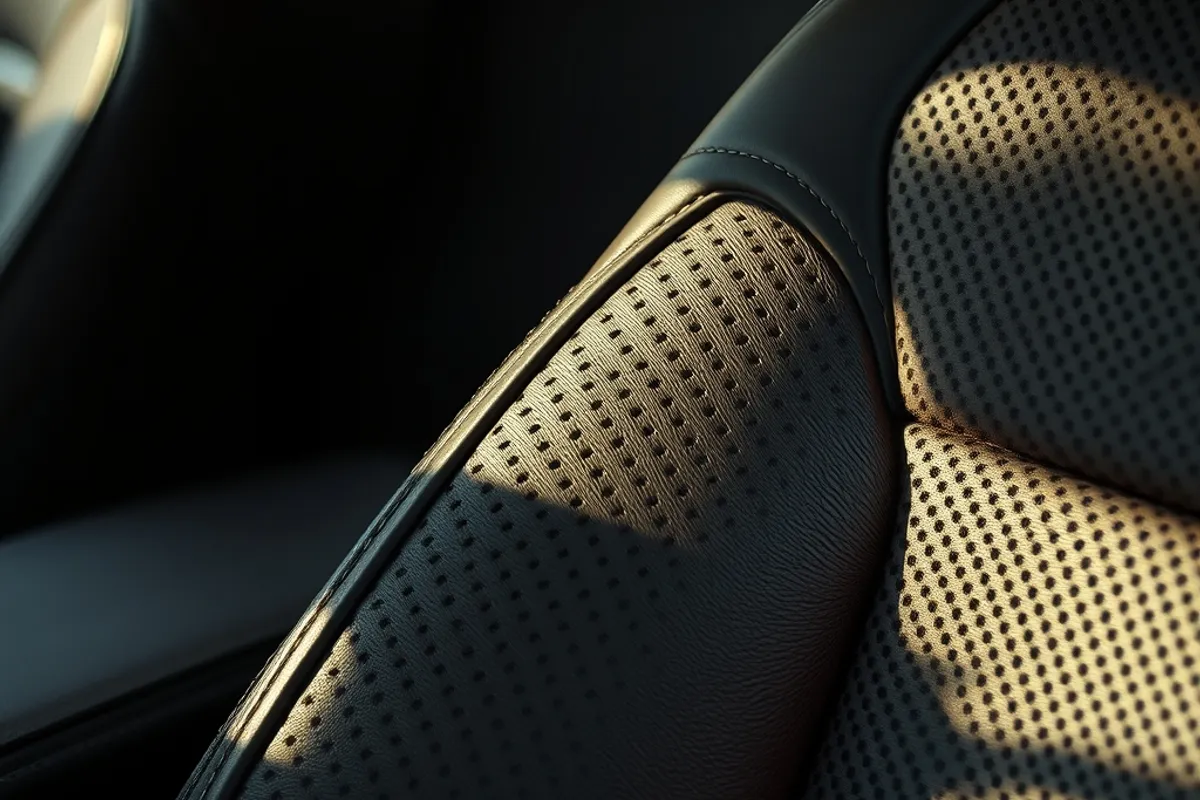
Dashboard cracks, faded rear shelves and brittle plastic clips all trace back to heat and ultraviolet light. A windscreen sunshade costs very little and makes a measurable difference in a car parked outside. Ceramic tint on the side windows reduces cabin temperature and protects the trim.
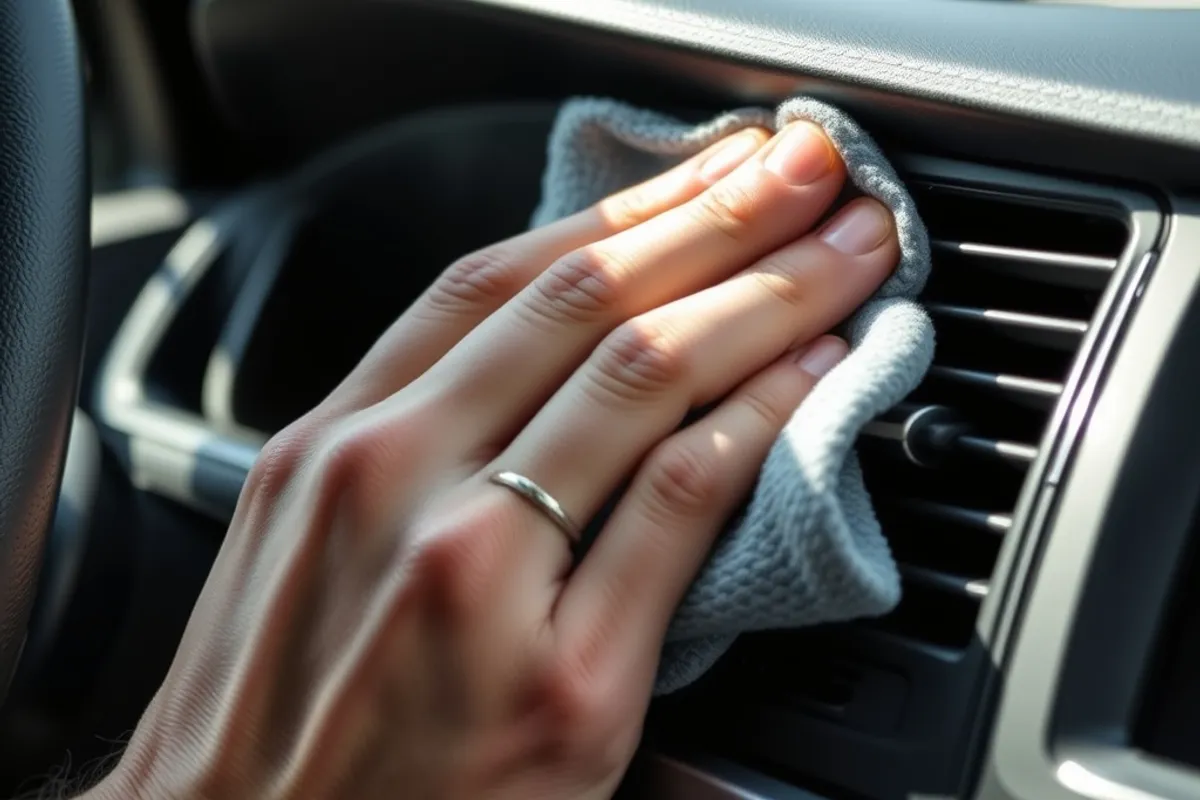
Do not armour-all every surface. A greasy dressing on the dashboard attracts dust and can cause glare. Use a matte, UV-protective cleaner and a microfibre cloth. On leather, use a pH-neutral cleaner and a conditioner only if the manufacturer recommends it.
The best interior protection is shade. The second best is a clean, dry cabin and a product that does not leave a film.
Cleaning routines that actually work
Vacuum first, including the seat rails and the gap between the cushion and the backrest. Use a soft brush on fabric and a dedicated upholstery cleaner for stains; test it on a hidden area. For leather, wipe with a damp cloth, then use a small amount of cleaner on a soft pad and buff dry.
Clean the steering wheel and gear knob regularly. They collect oils from your hands and become shiny and slippery. A mild soap solution and a soft brush restore the matte finish without damaging the material. Avoid alcohol-based cleaners on coated leather and plastics.
Design trends that will age
Large gloss-black surfaces look dramatic when clean and show fingerprints immediately. Piano-black trim scratches if you look at it too hard. Matte finishes and textured metals are more forgiving. Ambient lighting can date quickly, but it is easy to ignore.
Recycled and plant-based materials are appearing in more cabins. They can be durable, but ask how they resist UV and cleaning chemicals. A material that is good for the planet but cracks in the sun is not a sustainable choice for the owner.
What to check before you buy
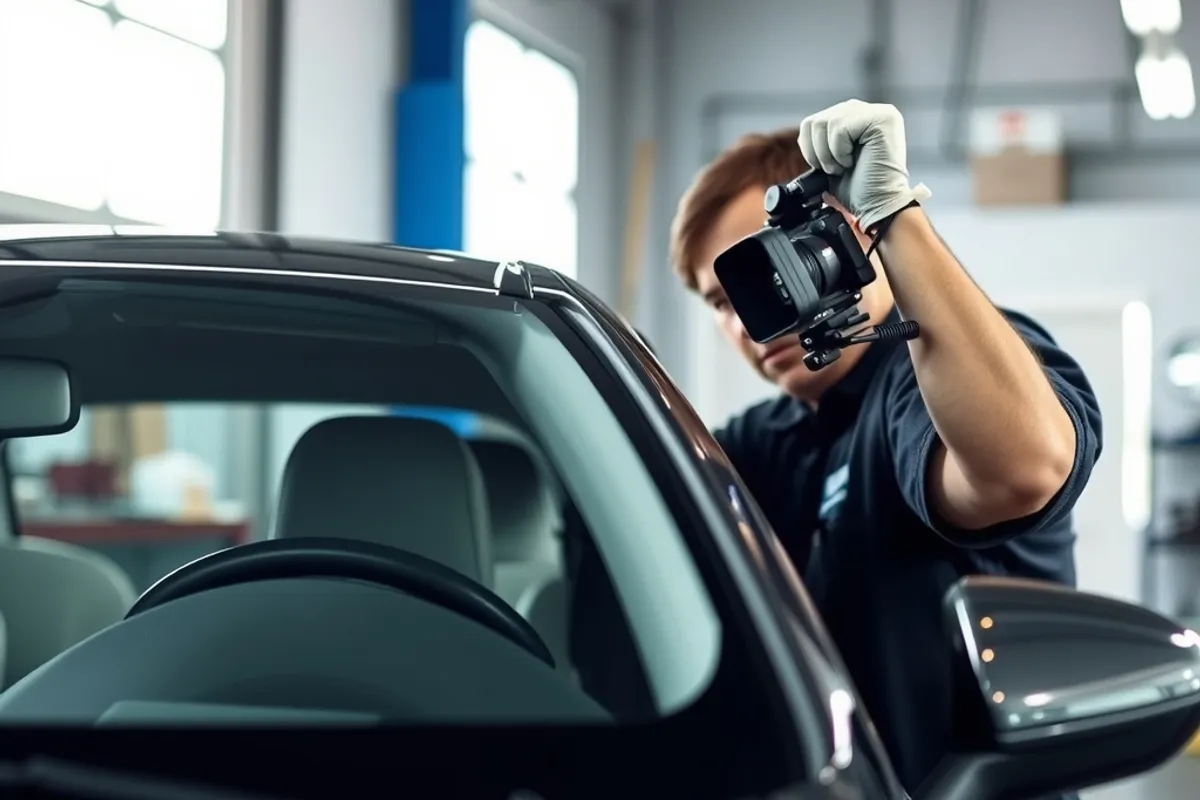
Sit in the car with the sun on the dashboard. Look for fading, cracks and sticky patches. Check the driver's seat bolster, the armrest and the top of the door card, which wear first. Pull the seat belt all the way out and look for fraying. A cabin that has been smoked in is difficult to fully restore.
For exterior details that age with the cabin, read our wheel fitment guide. For family-specific safety, see the child car seat checks. More design guides are on the Car Interior & Exterior Design desk.
Material scorecard
- Fabric: cool, forgiving, stains without a treatment.
- Leather: durable if conditioned, cracks if neglected.
- Leatherette: easy to clean, can peel at seams.
- Soft-touch plastic: comfortable, risky in hot climates.
- Gloss black: scratches and shows dust immediately.
- Shade and UV film beat every dressing.