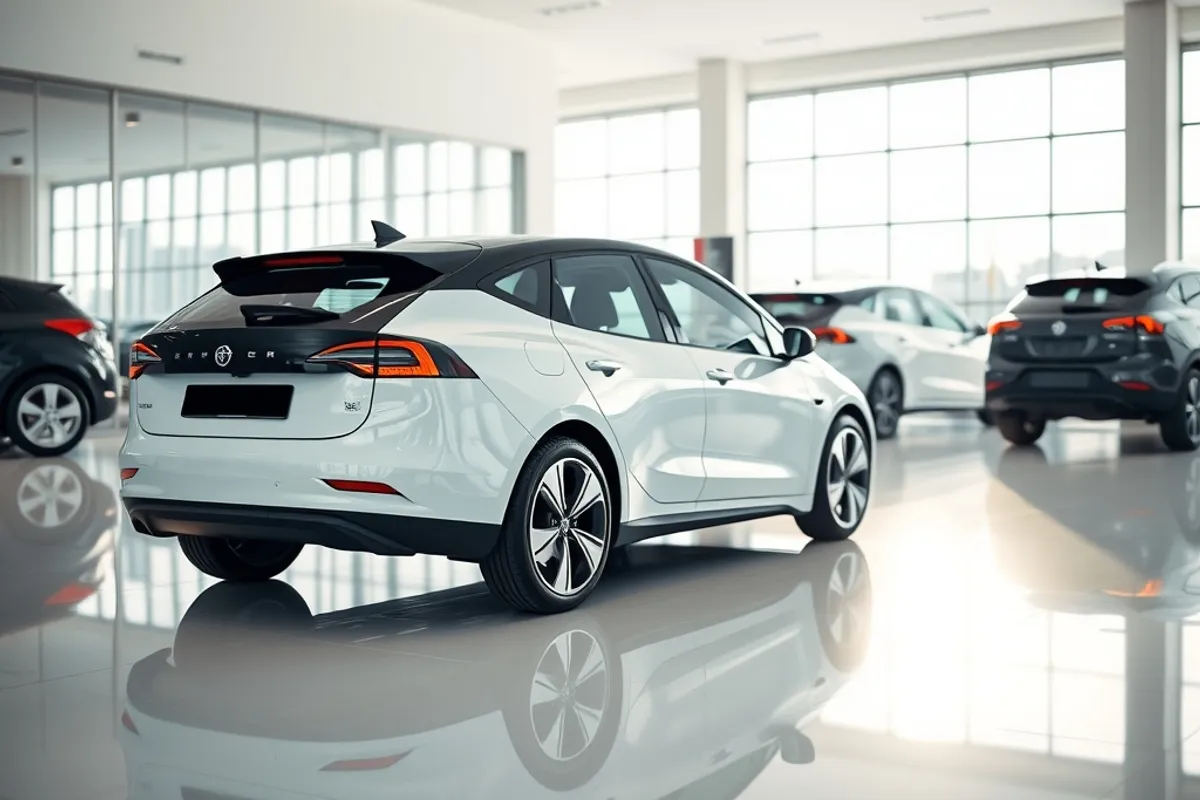
Battery prices have fallen far enough that the cheapest electric cars are no longer a niche. But a lower cell price and a lower showroom price are different things, and a warranty can be worth more than a discount.
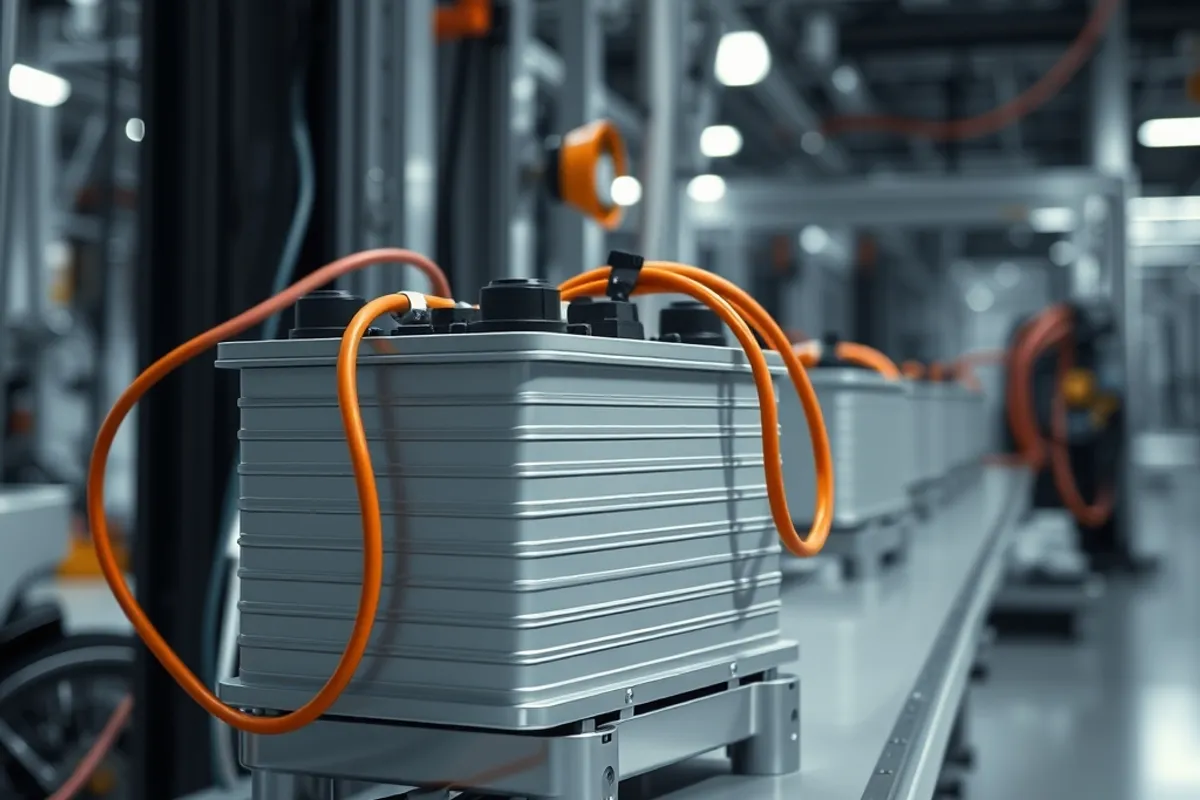
Industry price surveys track the cost of a battery pack at the factory, not the price of the car. Between the two sit shipping, tariffs, marketing, dealer margin and the manufacturer's appetite for losing money on every unit. Buyers need to read the whole equation.
What is actually falling
Cell manufacturing has scaled up, chemistry has shifted toward cheaper iron-based cathodes in many mass-market cars, and factories are running closer to capacity. Those gains show up first in the pack price per kilowatt-hour. Analysts typically quote a pack-level average, and the range between the cheapest LFP packs and premium high-nickel packs is wide.
Do not treat a single average as the price you should pay. A small city car with an LFP pack and a large luxury sedan with a high-nickel pack are not comparable products. The relevant question is how many usable kilowatt-hours you get, how fast they charge and how long the manufacturer stands behind them.
LFP versus NMC in 2026
LFP (lithium iron phosphate) cells are cheaper, tolerate regular charging to 100 percent and have a long cycle life. They are heavier for the same energy, which is why they dominate compact and mid-range cars. NMC (nickel manganese cobalt) cells store more energy per kilogram and perform better in extreme cold, which keeps them relevant in premium and long-range models.
For a commuter car charged at home, LFP is usually the smarter choice. For a car that regularly does long winter journeys or tows, the extra energy density and cold-weather behaviour of a good NMC pack can justify the cost. The chemistry matters less than the thermal management and the charging curve.
The warranty is the real price signal
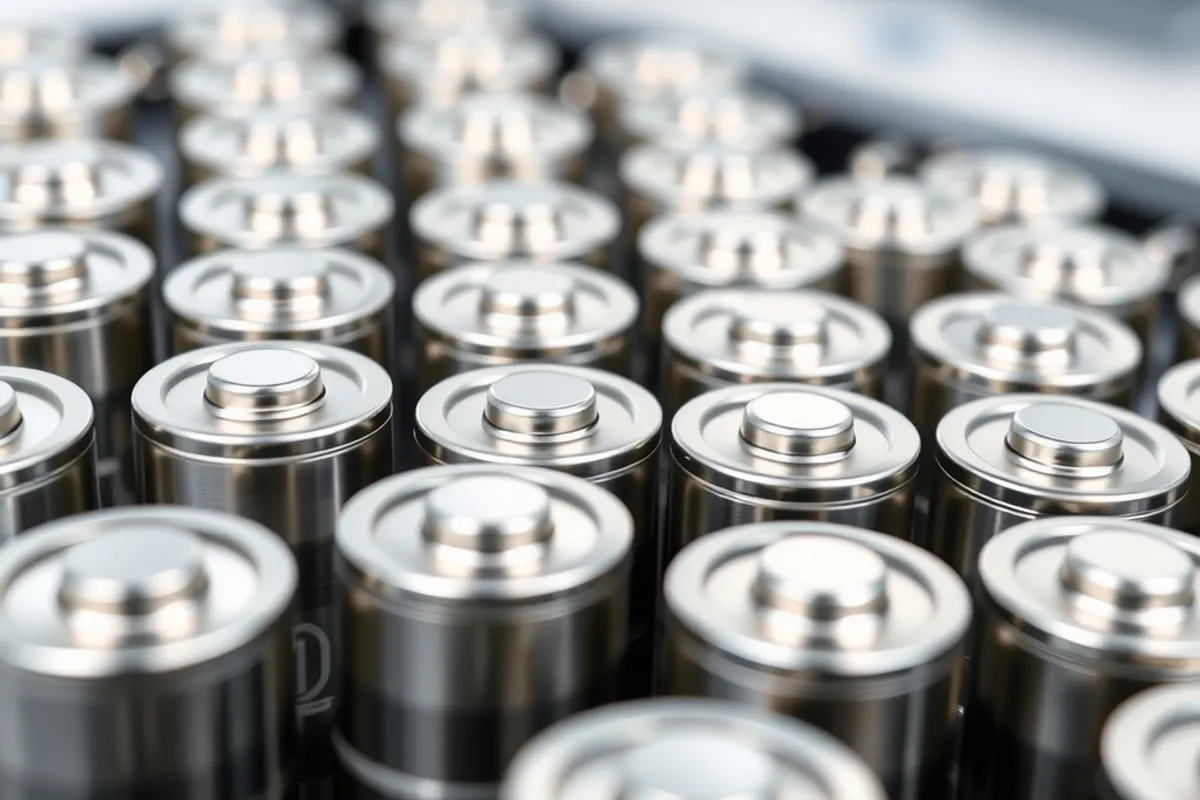
Most new EV packs carry a warranty of around eight years or 160,000 km, with a guaranteed minimum state of health, often 70 percent. Read the exact wording. Some warranties cover defects but not gradual degradation; others replace modules rather than the whole pack. A warranty that transfers to the next owner adds resale value.
Ask whether the warranty is tied to the original purchaser, whether it requires servicing at the dealer and what evidence is needed for a claim. A cheap used EV with three years of warranty left is a different proposition from one with none.
What cheaper batteries do to used values
When new EVs get cheaper, used EVs take a hit. That is good news for a buyer with a fixed budget, provided the battery is healthy. Request a battery health report or a state-of-health reading from a dealer, and check whether the car has been regularly DC fast-charged, which can accelerate degradation in cars without good thermal management.
Mileage alone is a poor guide. A high-mileage car that was charged gently at home can have a healthier pack than a low-mileage car that sat at 100 percent charge in a hot climate. Look at the build date, the climate history and the charging habits you can infer from the previous owner.
The sticker price tells you what the car costs today. The battery warranty tells you what it may cost you in year six.
Charging costs and the total picture
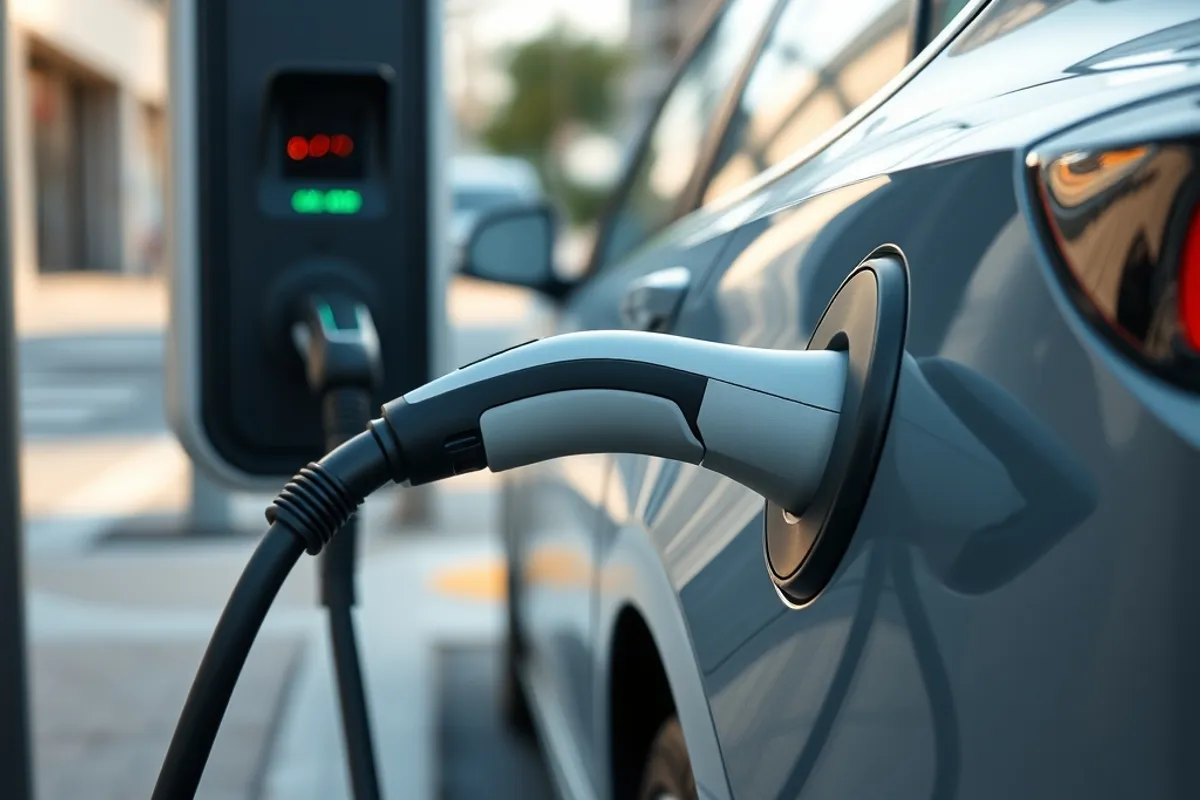
Home charging is usually the cheapest way to run an EV, but electricity prices vary widely. Public fast charging can approach the cost of petrol per kilometre in some markets. Do the arithmetic with your own tariff and your real weekly distance, not with a manufacturer's best-case slide.
Factor in tyre wear, which is often higher on a heavy EV, insurance premiums and the cost of a home charger if you need one. Then compare the total monthly cost with a hybrid or an efficient petrol car. The EV often wins on fuel, but not always on depreciation.
Should you wait for prices to fall further?
There is always a cheaper battery coming. Waiting has a cost too: another year of fuel, maintenance and depreciation on the car you already own. If you have home charging and a predictable commute, today's mid-range EV is already financially sensible. If you rely on public charging or tow regularly, the calculation is less clear.
Choose the smallest battery that covers your normal week, not the largest you can afford. A lighter car with a smaller pack is often more efficient, cheaper to insure and just as quick to charge. For the software side of modern EVs, read our OTA update guide. More industry analysis is on the Automotive Industry desk.
Buyer checklist
- Compare usable kWh, not just pack size.
- Match chemistry to climate and charging habits.
- Read the warranty's degradation threshold and transfer rules.
- Ask for a state-of-health report on any used EV.
- Calculate cost per kilometre with your own electricity tariff.
- Do not pay for range you will not use.