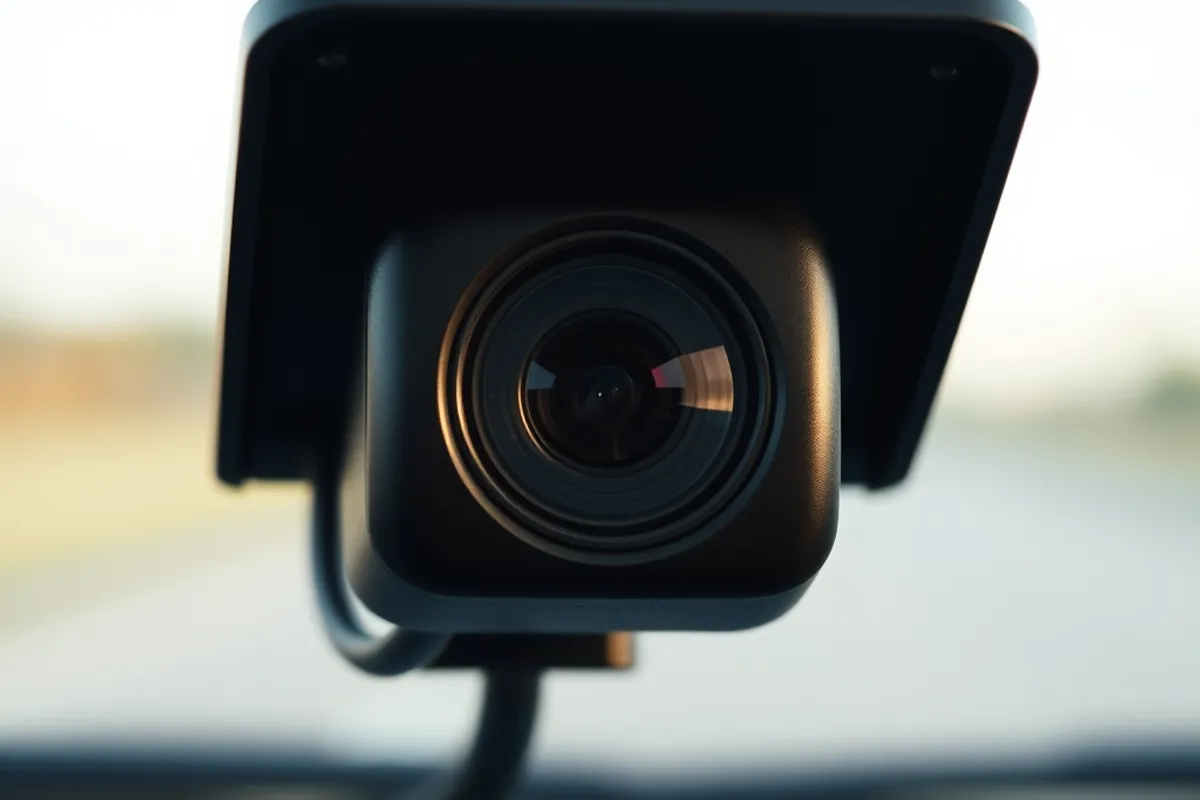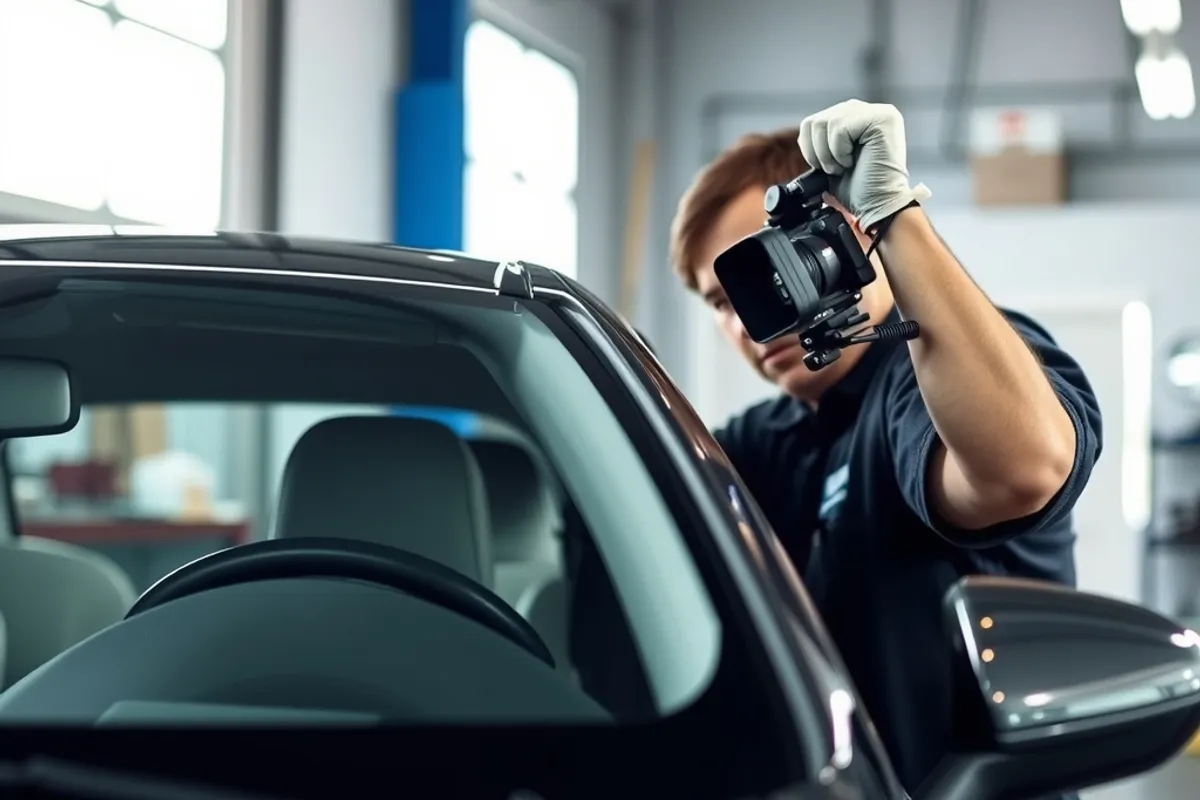
The camera behind your windshield is aimed at the road with millimetre precision. Replace the glass, change the bracket or disturb the camera, and the car may still drive, but its safety systems are no longer looking where they should.
ADAS stands for advanced driver assistance systems: lane keeping, automatic emergency braking, adaptive cruise and traffic sign recognition. Many of these rely on a forward-facing camera mounted at the top of the windshield. The camera must be recalibrated whenever the windshield is replaced or the camera is removed.
Why calibration is not optional
Even an OEM windshield can differ slightly in thickness, curvature or the position of the camera bracket. The calibration teaches the camera the new reference points so it can judge distance and lane position correctly. Without it, lane keeping may pull to one side, automatic braking may react late or the system may disable itself with a warning.
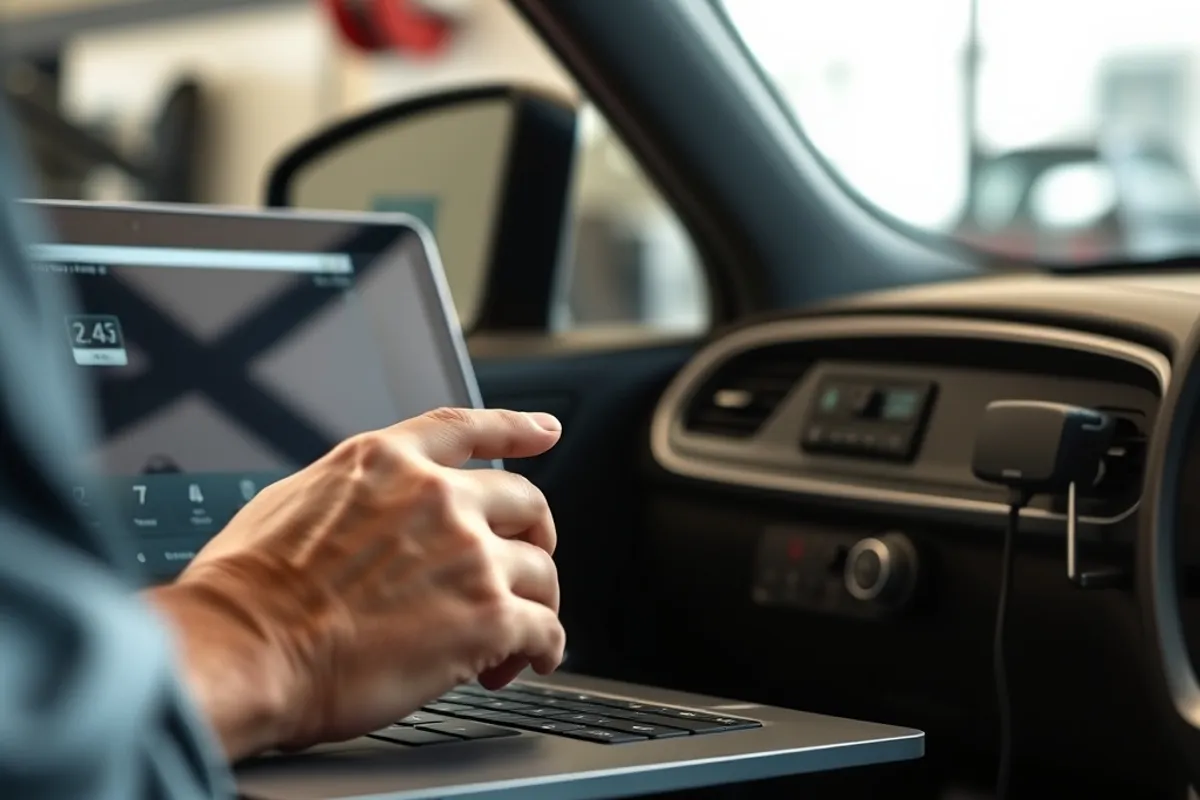
Some cars calibrate dynamically, by driving at a set speed on a clear road for a period. Others need a static calibration with target boards placed at precise distances in a workshop. Many need both. The procedure is vehicle-specific, and the shop should follow the manufacturer's instructions.
What the glass shop should tell you
Ask before the job whether the quote includes recalibration. A low windshield price that excludes calibration is not a complete price. Ask whether they have the targets and the scan tool for your make and model, and whether they will provide a printout showing the calibration was completed without fault codes.
Ask what happens if the calibration fails. Some cars need a dealer visit or a longer road test. A shop that says calibration is never necessary is a shop to avoid. Modern vehicles vary, but the safe assumption is that a camera-equipped windshield requires it.
Static versus dynamic calibration
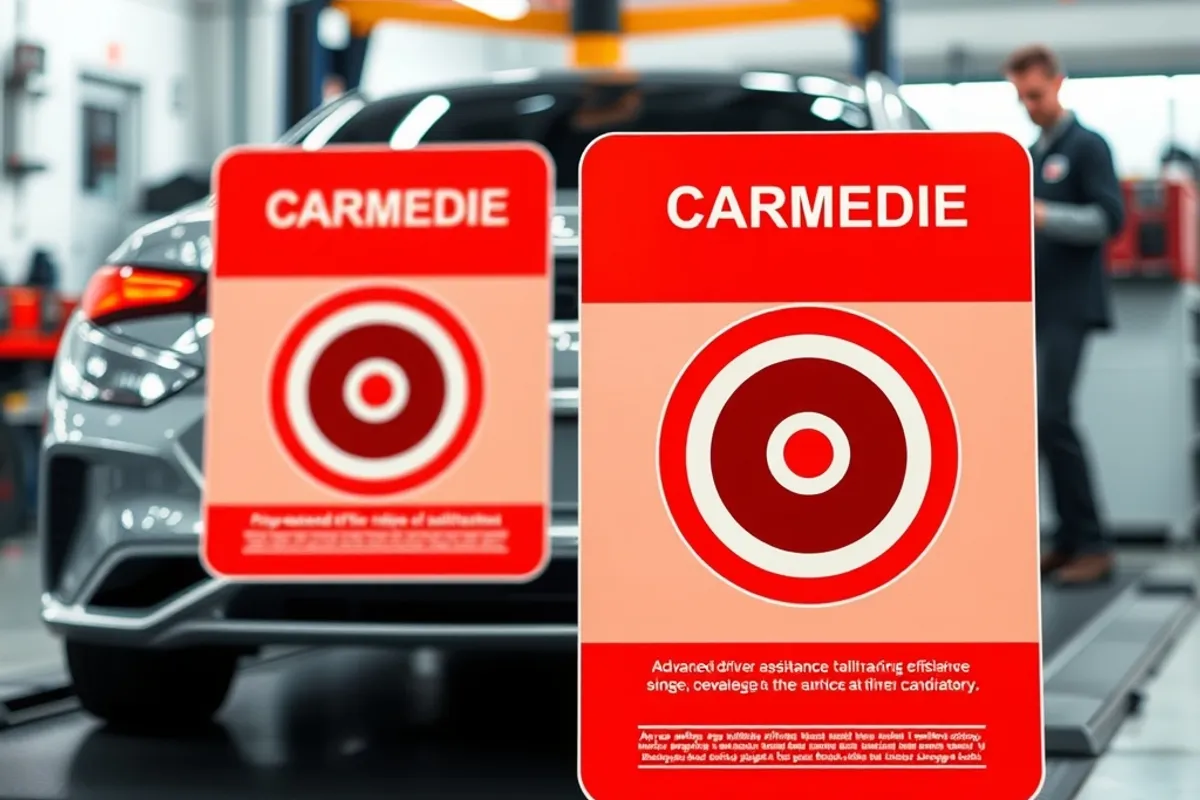
Static calibration happens in a controlled space with level ground, correct tyre pressures and a specified amount of fuel. Target boards are positioned using the manufacturer's measurements. The scan tool commands the camera to learn the targets. This is the most accurate method when the procedure allows it.
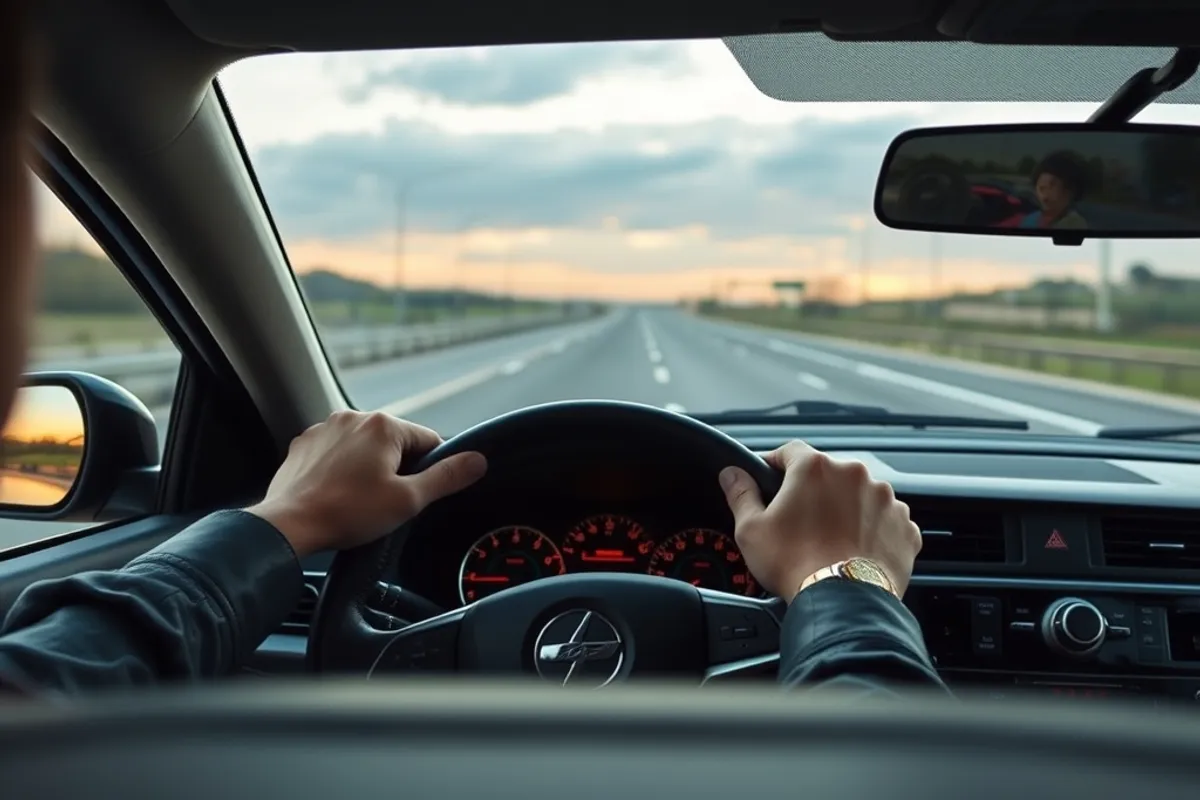
Dynamic calibration is a drive cycle. The car must see clear lane markings, good light and a steady speed for long enough to complete the self-calibration. Traffic, rain and worn road markings can stop it from finishing. A shop that simply drives around the block and calls it done has not necessarily completed the procedure.
Signs the calibration is wrong
After the replacement, test the systems on a quiet road. Lane keeping should centre the car, not fight you or drift toward one line. Adaptive cruise should hold a steady gap. Automatic emergency braking should not flash warnings at parked cars or shadows. If any system behaves oddly, return to the shop before relying on it.
Keep the calibration report with the service records. It matters at resale and if a warranty claim arises. A windscreen replacement is also a good time to check the camera lens and the gel pad for dust or bubbles.
A windshield is structural glass and a sensor housing at the same time. Treat the replacement as a safety repair, not a cosmetic one.
Cost and insurance
Calibration can add a significant amount to a windshield bill, depending on the car and the equipment required. Some insurers cover it as part of glass claims; others treat it as a separate service. Read the policy or ask the claims line before authorising the work.
If you are paying yourself, get a quote that lists glass, labour, calibration and any dealer programming separately. A cheap quote that omits calibration is not comparable. On a car with a heated camera area or a head-up display, the glass specification matters too.
Protect the new glass
Leave the adhesive to cure for the time the shop specifies before washing or driving on rough roads. Avoid slamming the doors with the windows closed during the first day. Use a sunshade to reduce heat stress on the dashboard and the camera housing, and repair stone chips early before they spread.
For child passenger safety, pair this with our car seat checklist. For a used car with a replaced windshield, the inspection guide explains what else to check. More safety guides are on the Car Safety desk.
Before you book
- Confirm the quote includes ADAS calibration.
- Ask for a calibration report with no fault codes.
- Check whether static, dynamic or both are required.
- Test lane keeping and cruise on a quiet road.
- Keep the report with the service history.