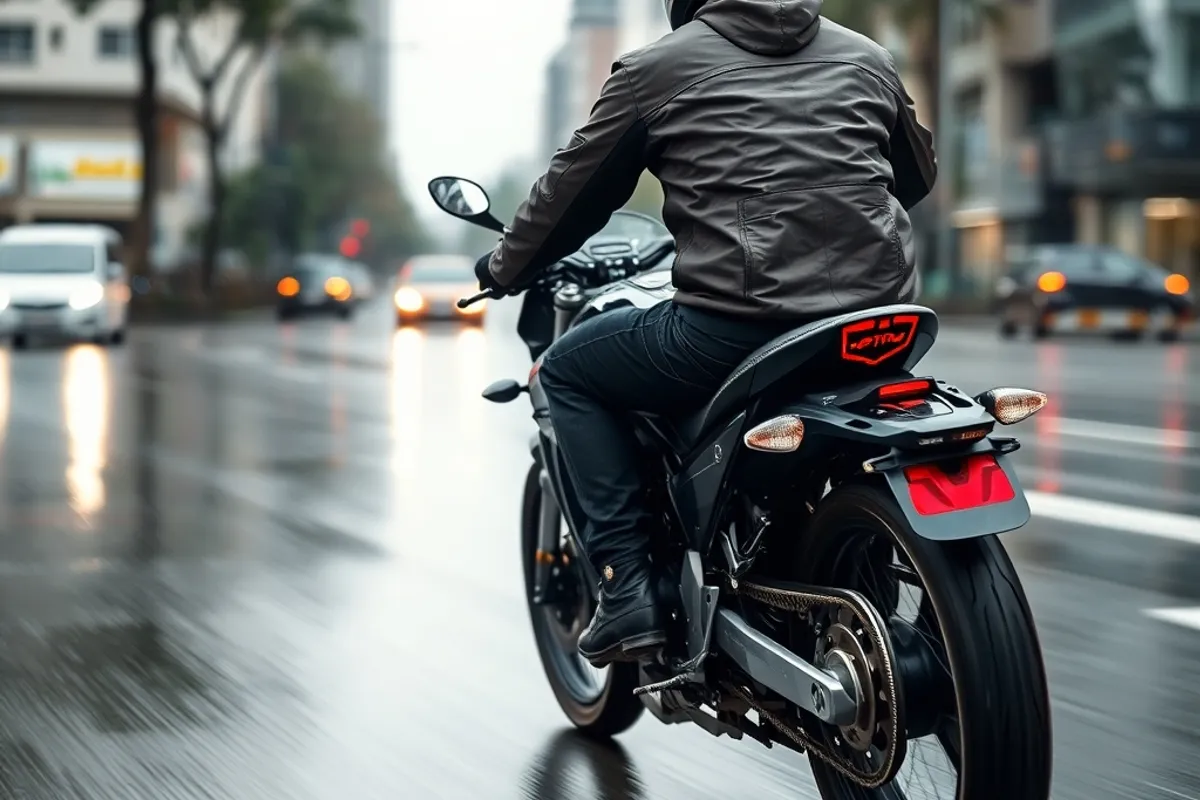
Rain does not make riding impossible. It makes every input less forgiving. The riders who stay comfortable in the wet are the ones who prepare the bike, the gear and their own timing before the first drop falls.
Modern tyres and rider aids are remarkably good in the rain, but they cannot create grip where there is oil, paint or standing water. The setup below is about giving yourself margin: more visibility, more tread, smoother brakes and a drier body.
Tyres: tread and pressure first
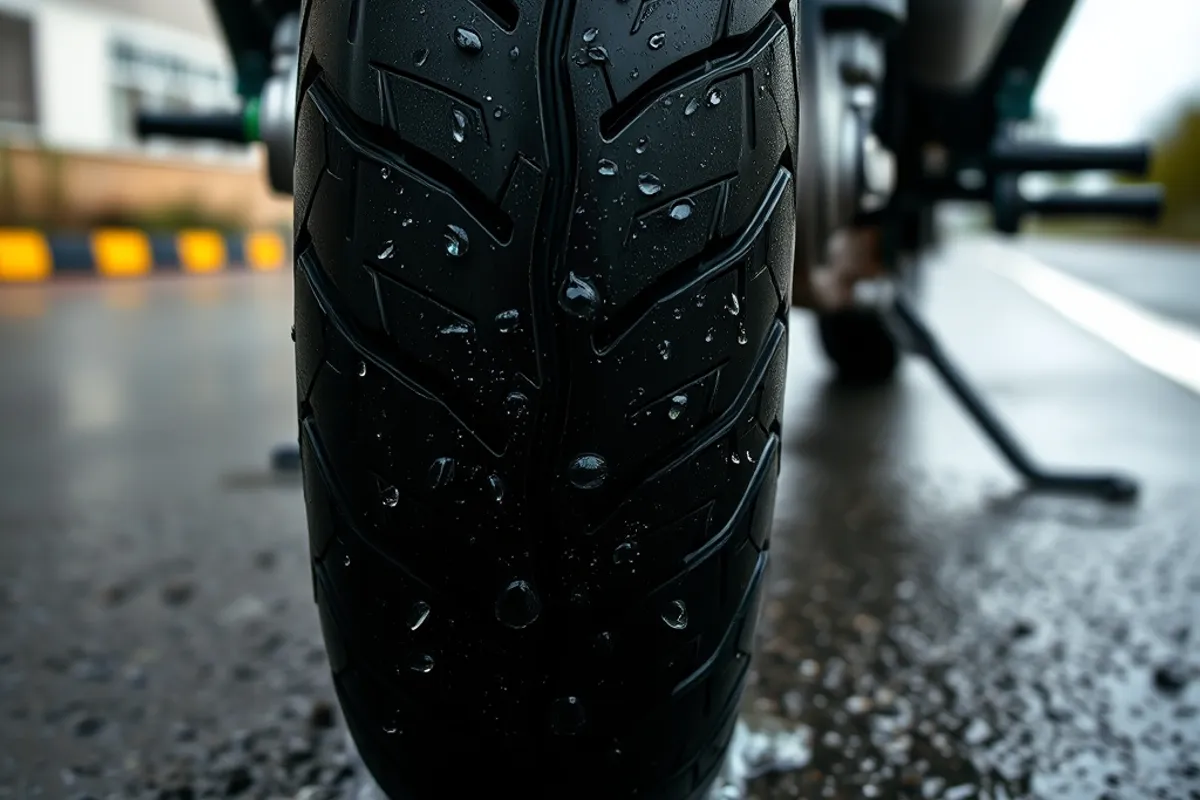
Tread clears water. A tyre worn to the legal minimum is already compromised in heavy rain; for regular wet riding, replace it earlier. Check for cracking, embedded stones and uneven wear. A squared-off rear tyre from commuting is poor at shedding water and should be replaced before the wet season.
Set pressures to the manufacturer's recommendation for your load. Lowering pressure to "find grip" is a myth that overheats the carcass and slows steering. If you carry a passenger or luggage, use the higher pressure listed in the manual. Check cold, and check often.
See and be seen
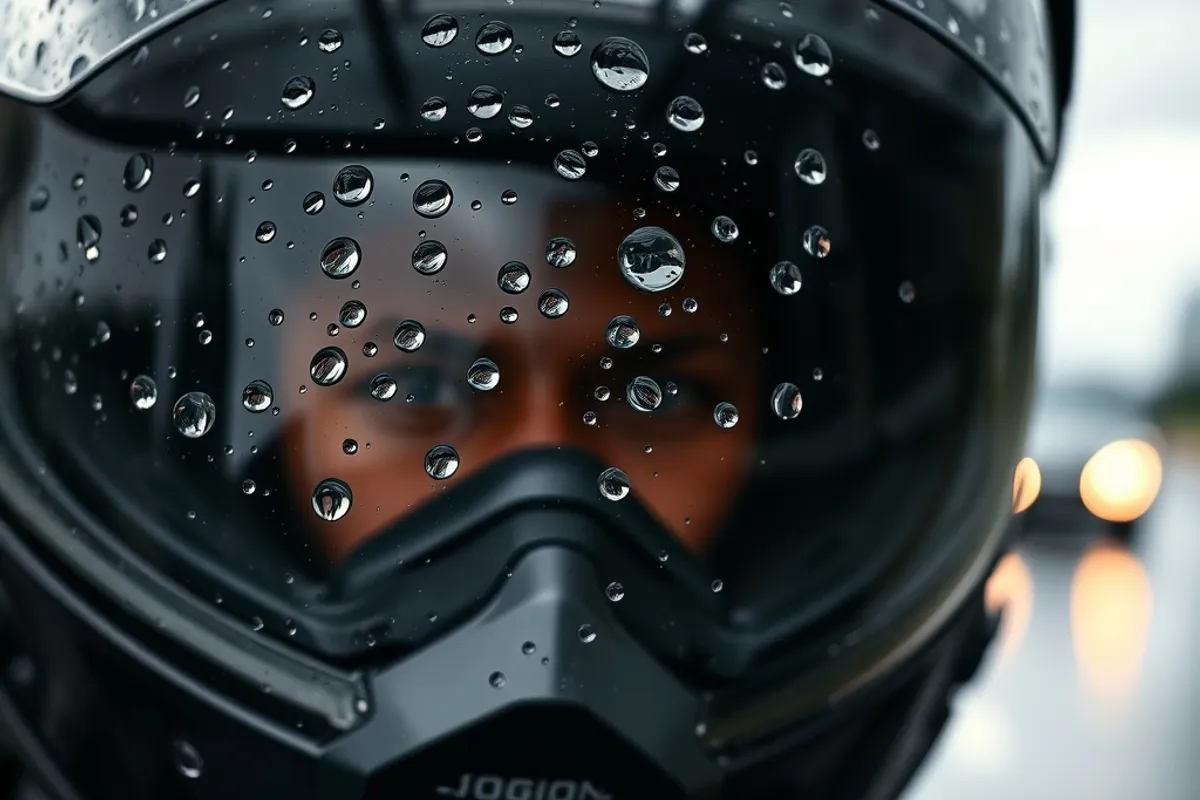
A clean visor and a Pinlock insert are the best visibility investment you can make. Clean the outside with plenty of water and a microfibre cloth; grit on a dry visor scratches it. Use a rain repellent designed for polycarbonate if you like, but test it on a small area first.
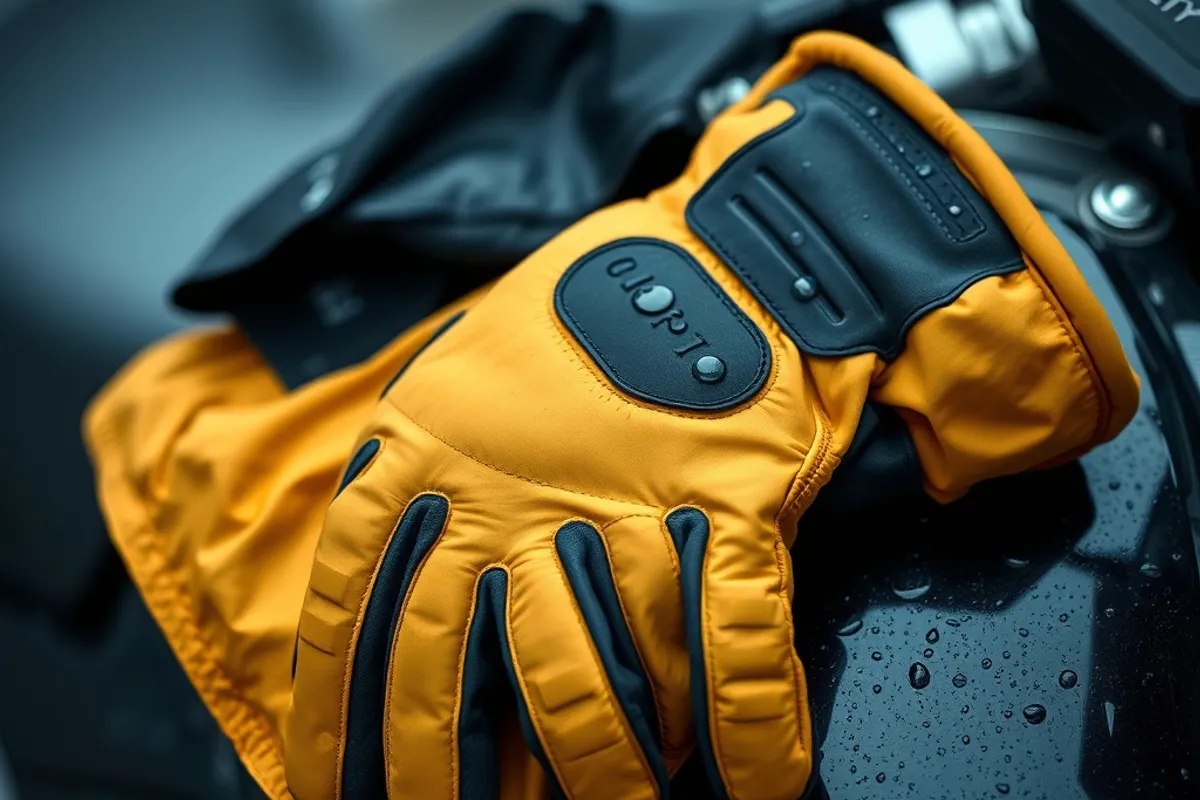
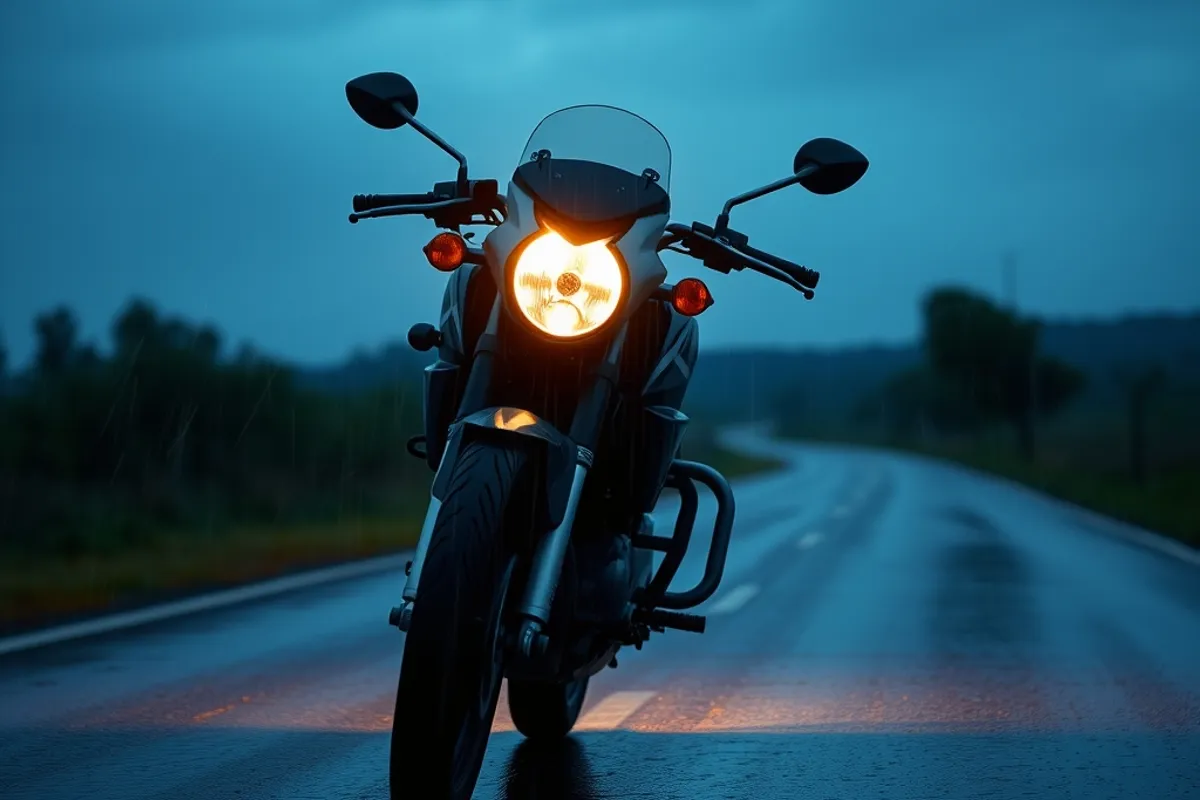
Keep a spare pair of gloves. Wet gloves make every control slippery and cold hands slow your reactions. Wear a bright outer layer or a reflective vest over waterproofs. In heavy rain, use low beam and auxiliary lights if fitted, and avoid dazzling drivers with high beam.
Braking and cornering smoothly
In the wet, brake earlier and use both brakes progressively. Snatch the front and you risk locking; stab the rear and it will step out. Modern ABS helps, but it cannot beat physics. Leave a longer gap to the vehicle in front and cover the brakes when approaching junctions.
Lean less. Keep the bike more upright through corners and use a smoother, slower steering input. Avoid trail braking deep into a wet corner unless you know the surface. Be especially careful on the first ten minutes of rain, when oil and rubber residue float on the surface.
Road hazards that worsen in rain
Paint lines, manhole covers, tram rails and metal bridge joints lose grip dramatically when wet. Cross them as upright as possible and avoid braking on them. Standing water can hide potholes and cause aquaplaning; if the steering feels light, ease off the throttle and avoid sudden inputs.
Diesel spills at filling stations and bus stops are treacherous. Look for the rainbow sheen and give it a wide berth. Fresh asphalt can be slippery too, especially in hot weather when the binder rises.
In the rain, the fastest rider is usually the smoothest one. Every abrupt input is a withdrawal from a smaller grip account.
Gear and bike preparation
A waterproof outer layer with sealed seams and a high collar keeps you dry and warm. Waterproof boots and gloves matter more than a fashionable jacket. Add a neck tube and a spare pair of gloves in a plastic bag. Hypothermia makes good decisions impossible.
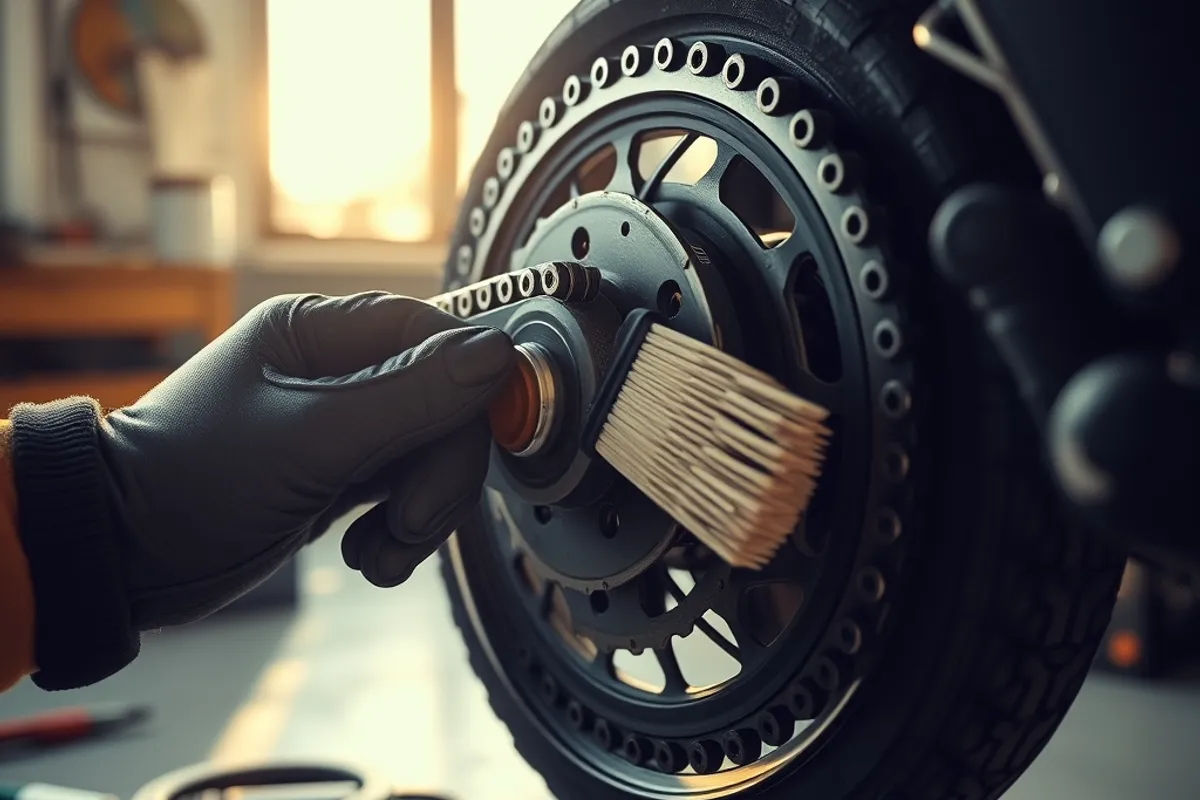
Check the chain after a wet ride; water displaces lubricant. Clean and lube it when you get home. Look at the brake pads for contamination and the headlight for a proper beam pattern. A mudguard extender keeps spray off the radiator and the engine.
The first ride after a downpour
Wet brakes can feel wooden for the first few applications. Test them gently at low speed in a safe place. Tyres need a little heat before they grip fully; take the first few kilometres calmly. If the bike has been parked outside, dry the seat and controls, and check that the mirrors have not filled with water.
For chain maintenance after a wet ride, read our chain care routine. For four-wheel wet-weather preparation, the winter checklist covers tyres, battery and visibility. More riding guides are on the Motorcycle & Automotive desk.
Wet-weather setup
- Tread depth above the legal minimum, correct pressures.
- Clean visor and a Pinlock insert.
- Waterproof layers, spare gloves, high-visibility outer.
- Brake earlier, lean less, cross metal upright.
- Clean and lube the chain after every wet ride.