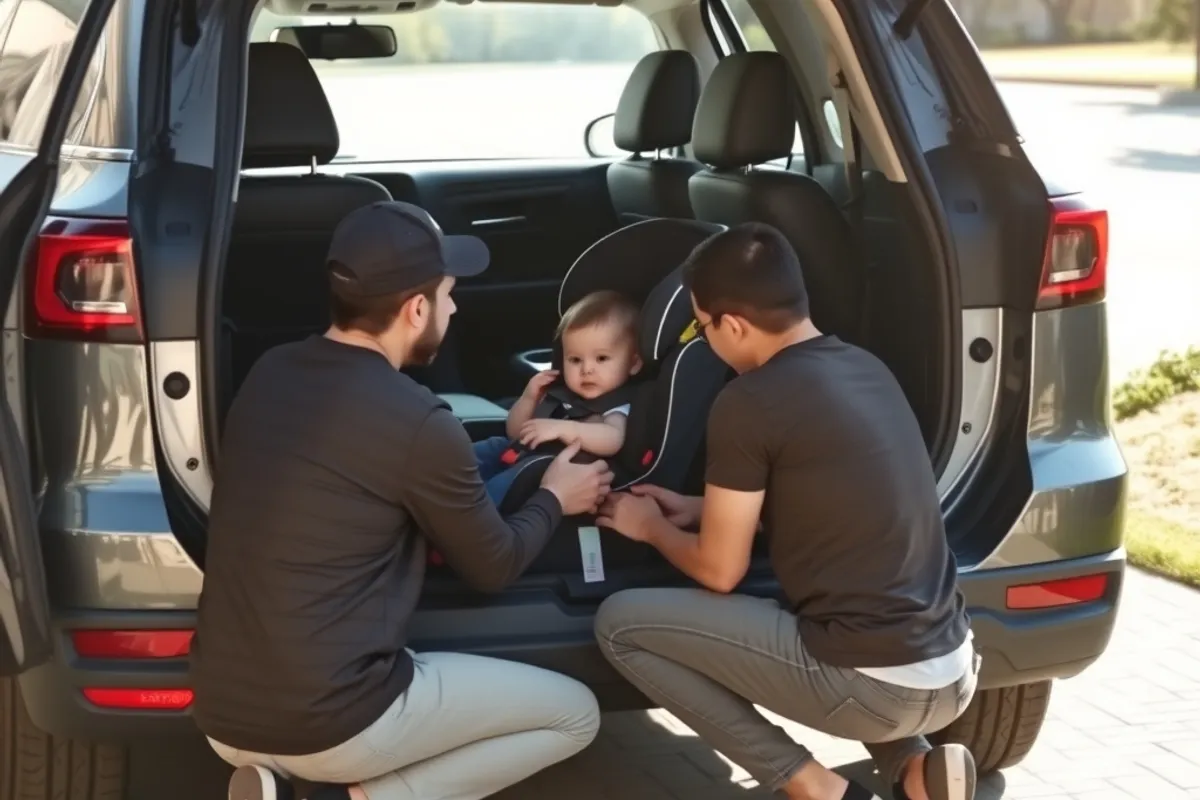
A car seat is a life-support device that spends most of its life covered in crumbs. The installation you checked at the shop can loosen over months of school runs, so the annual check matters as much as the first one.
The principles are simple: keep children rear-facing as long as the seat allows, install the seat tightly, fit the harness snugly against the body and keep the child in the back seat. The details are where parents get caught out.
Rear-facing is still the default
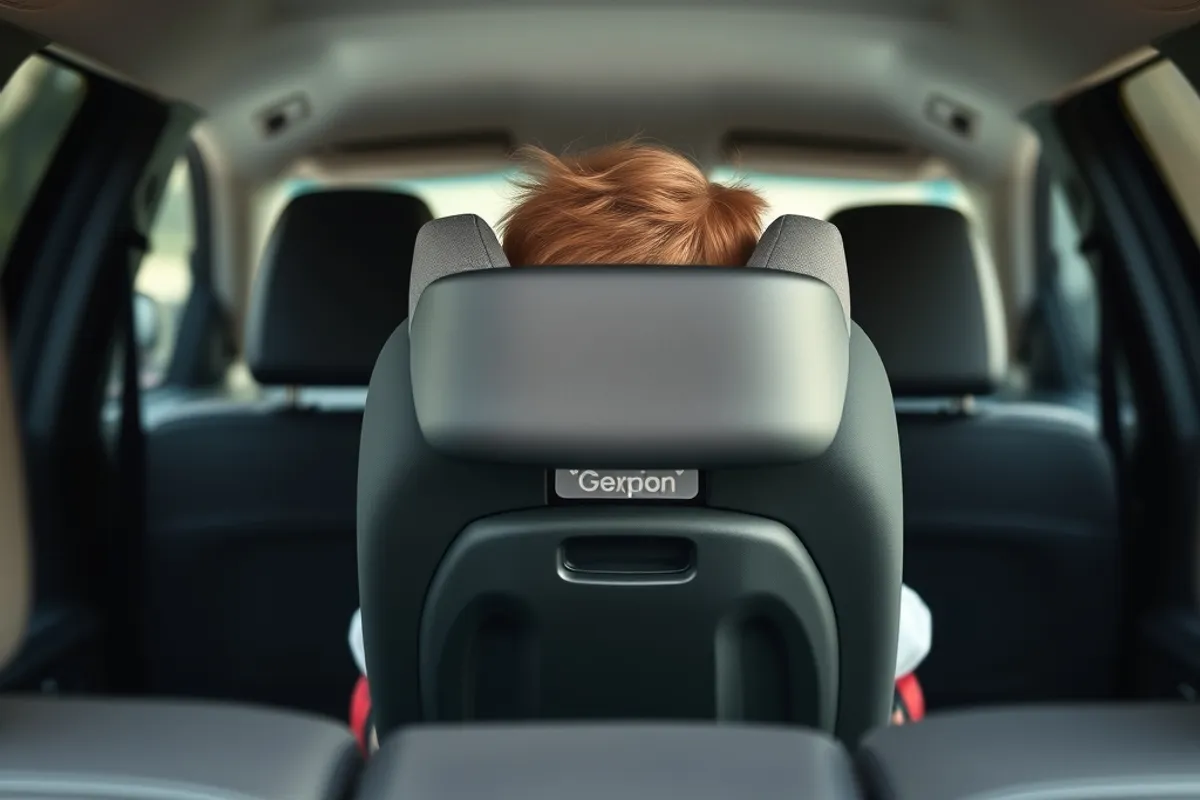
Rear-facing seats spread crash forces across the back of the seat and the child's head and spine. Modern i-Size seats allow rear-facing use well beyond infancy, often to 105 cm or around four years old. Keep a child rear-facing until they outgrow the seat's height and weight limits, not just until their feet touch the back seat.
Feet touching the seat is not a reason to turn the seat around. Children fold their legs comfortably. The limit that matters is the seat manufacturer's height and weight rating, and the top of the child's head relative to the shell.
Installation: the one-inch test
Whether you use ISOFIX, a seat belt or both, the seat should not move more than about 2.5 cm (one inch) at the belt path when you pull it firmly. Check at the base, not at the top of the seat, because some movement at the head is normal in a rear-facing seat.
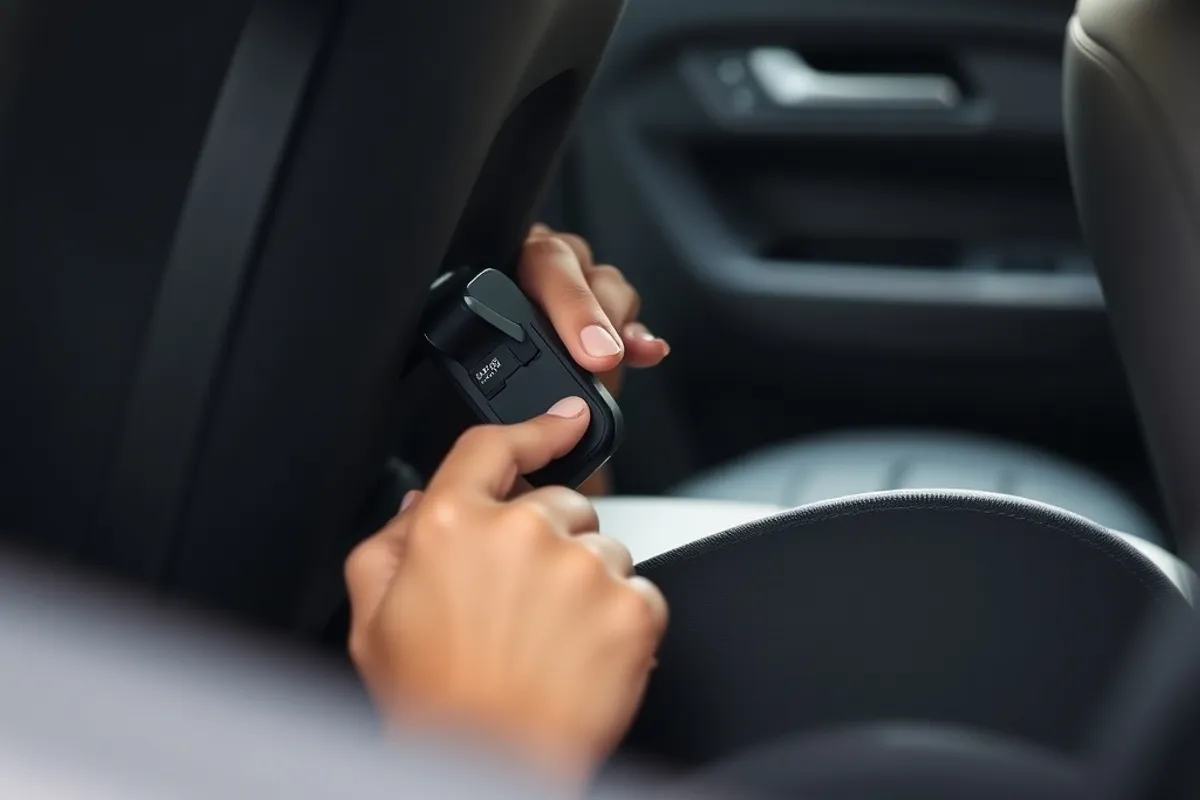
With ISOFIX, listen for both connectors to click and confirm the indicators are green. Use the top tether or support leg exactly as the manual requires. With a seat belt, route the belt through the correct path, buckle it and lock the retractor or use the lock-off. A belt that can slide freely will let the seat move in a crash.
Harness fit and the winter coat problem
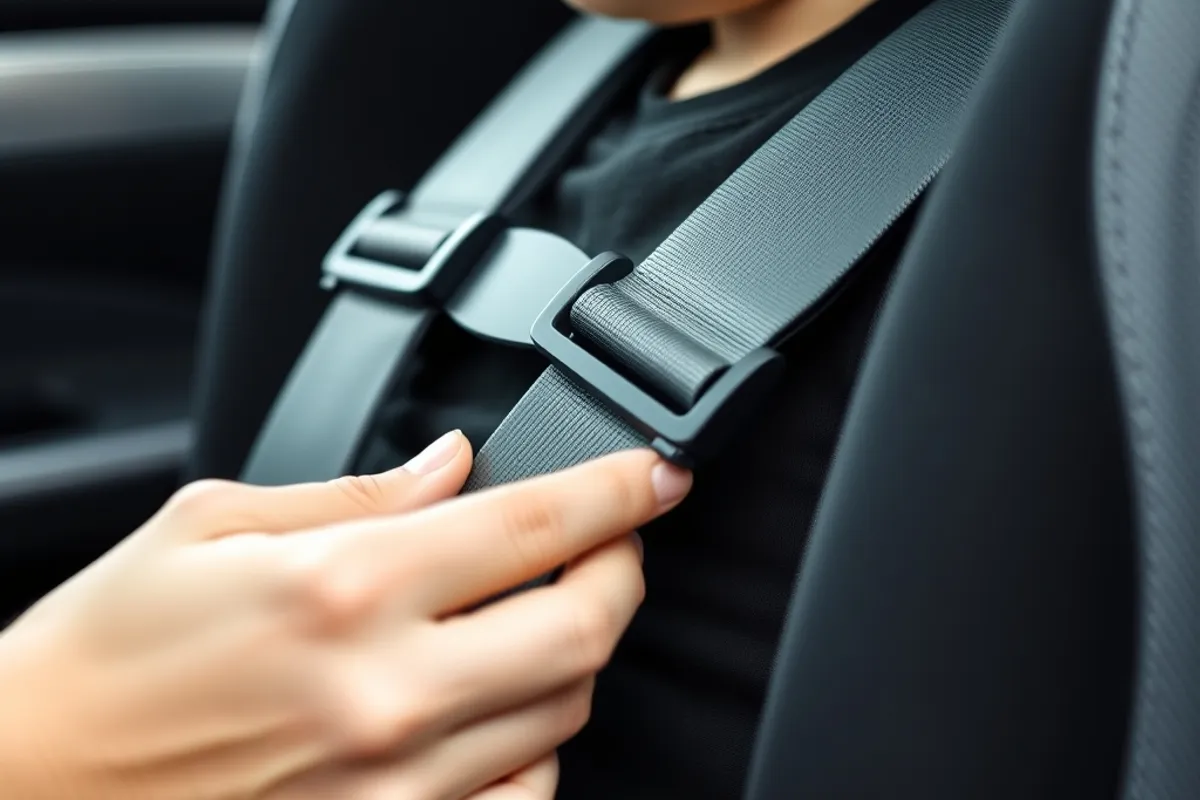
The harness should sit snug against the body with no slack you can pinch at the collarbone. The chest clip belongs at armpit level, not on the belly. Shoulder straps should come from the slots at or just below the child's shoulders in a rear-facing seat.
A thick winter coat creates a dangerous gap. In a crash, the coat compresses and the harness becomes loose. Put the child in the seat with the coat on, tighten the harness, then remove the coat and check how much slack appears. If you can pinch more than a centimetre, the coat is too thick. Use a thin fleece and a blanket over the harness instead.
Expiry dates and crash replacement
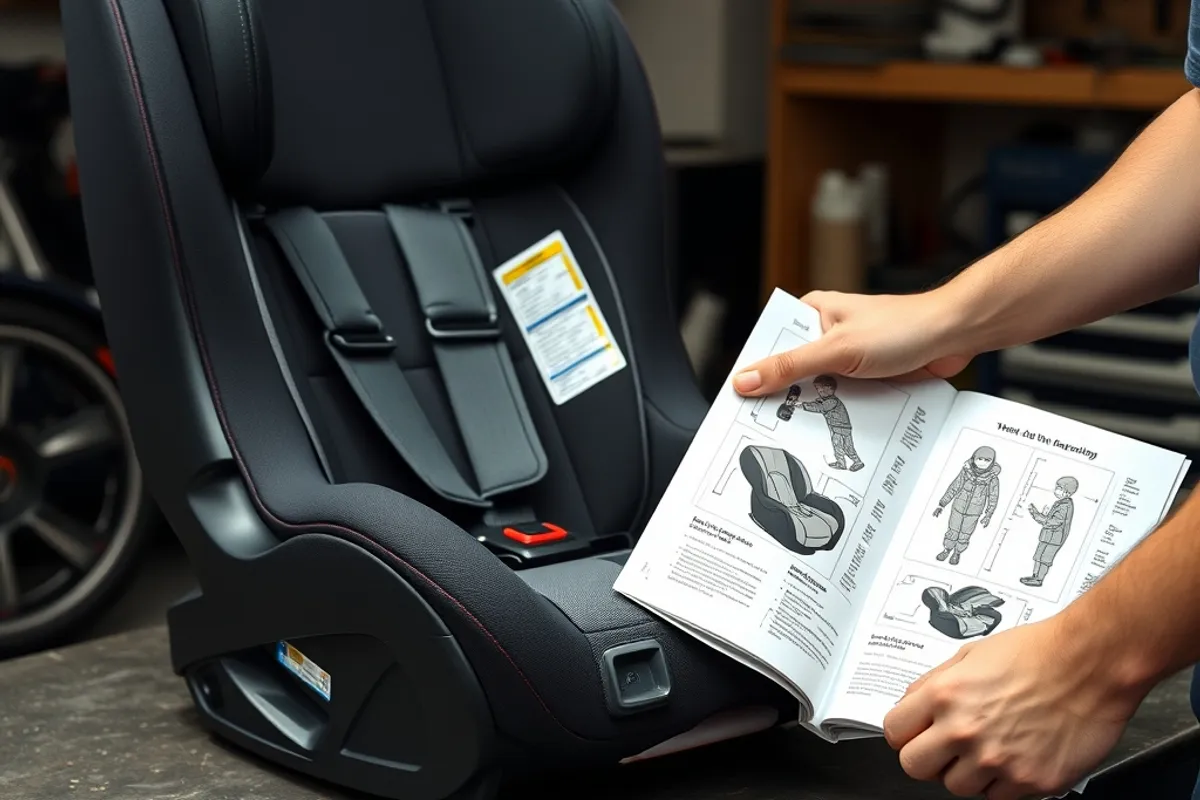
Car seats have a limited service life. Plastic degrades in heat and ultraviolet light, and the manual will state an expiry date, often six to ten years from manufacture. Check the label on the shell, not the receipt. A seat that has been in a moderate or severe crash should be replaced even if it looks fine, because the energy-absorbing structure may be compromised.
Second-hand seats are a gamble unless you know the history. Never use a seat with missing parts, a frayed harness or an unknown crash history. A cheap seat of unknown origin is not a saving.
The safest car seat is not the most expensive one. It is the one that fits your child, fits your car and is installed correctly every single day.
Where the seat goes
The safest place for a child under 13 is the back seat. A rear-facing seat must never go in front of an active passenger airbag. If your car has a front passenger airbag, check the sun visor warning and the owner's manual before considering a front seat, and only use a seat that explicitly permits it.
In the back, the centre position can be safest if the seat fits and the belt or ISOFIX anchors are approved for it. Many cars do not have ISOFIX in the centre, so read the manual rather than assuming.
A five-minute monthly check
Pull the seat at the belt path, check the harness tension, confirm the chest clip height and look for twisted straps. Vacuum the buckle area; a crumb in the mechanism can stop a buckle from latching. Check that the seat has not been recalled by searching the manufacturer's site with the model and date of manufacture.
As the child grows, move the harness slots and adjust the headrest according to the manual. Do not add aftermarket inserts or bulky covers that did not come with the seat unless the manufacturer sells them for that model.
Checks that matter
- Rear-facing until the seat's height and weight limit.
- Less than 2.5 cm of movement at the belt path.
- Harness snug at the collarbone, chest clip at armpit level.
- No thick coat under the harness.
- Back seat, never in front of an active airbag.
- Check expiry date and crash history.
When to ask for help
If the manual is unclear or the seat will not tighten, use a reputable fitting service or a child passenger safety technician. Bring the car, the seat and the child if possible. A professional fit takes minutes and removes the guesswork.
For the car side of family safety, read our ADAS calibration guide after any windshield work, and our used car checklist before buying a family vehicle. More safety guides are on the Car Safety desk.