Wheels change a car more than almost any other modification. They also change the way it steers, rides and wears its tyres. The difference between a great set and an expensive mistake is usually a few millimetres of offset.
Good fitment is not just about clearing the brakes. It is about keeping the tyre inside the arch, preserving the steering geometry and leaving enough suspension travel for the roads you actually drive.
The numbers that matter
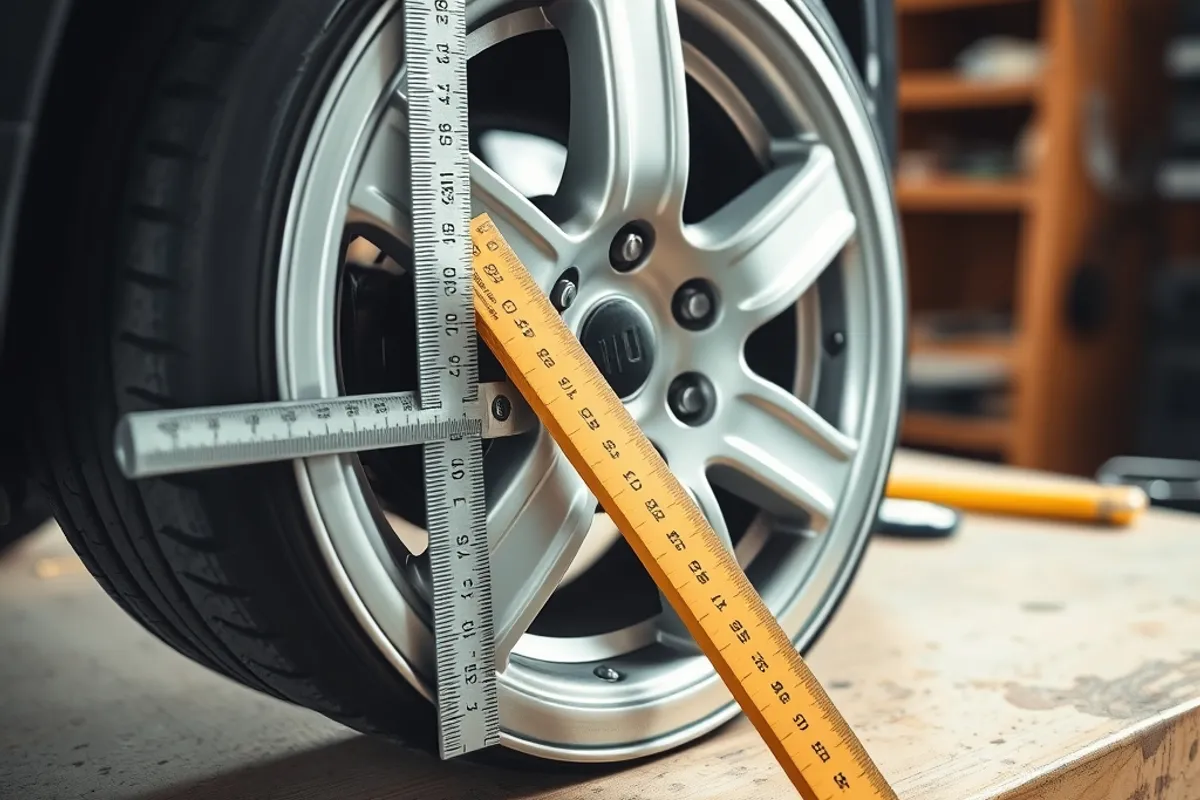
Every wheel has a bolt pattern (PCD), a width, a diameter, an offset (ET) and a centre bore. The PCD must match the hub exactly; an adapter can change it, but adds complexity and should be engineered, not improvised. The centre bore should match or use a proper spigot ring, never a loose plastic shim.
Offset is the distance from the mounting face to the wheel centreline. A lower offset pushes the wheel outward. Too low and the tyre rubs the arch or the liner; too high and the wheel may hit the suspension or look sunken. Width changes the tyre stretch and the clearance in both directions.
Plus sizing without losing the plot
When you increase wheel diameter, reduce tyre sidewall height to keep the overall rolling circumference close to standard. A common mistake is fitting a wider, taller tyre that changes the speedometer, hurts acceleration and rubs on full lock. Use a tyre size calculator and confirm the load rating meets the car's requirements.
Lower-profile tyres improve steering response but reduce ride comfort and increase the risk of wheel damage on poor roads. If you drive on broken surfaces, a smaller diameter with a taller sidewall is often the wiser choice.
Weight, strength and construction
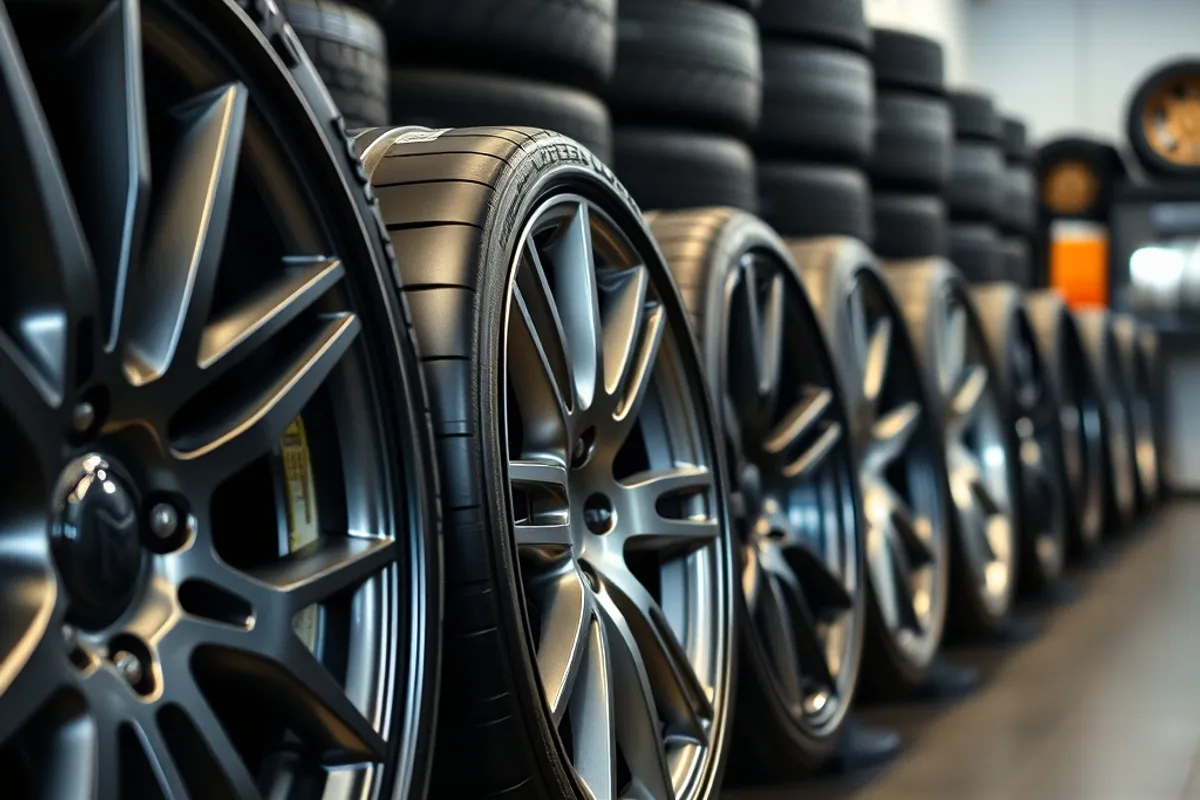
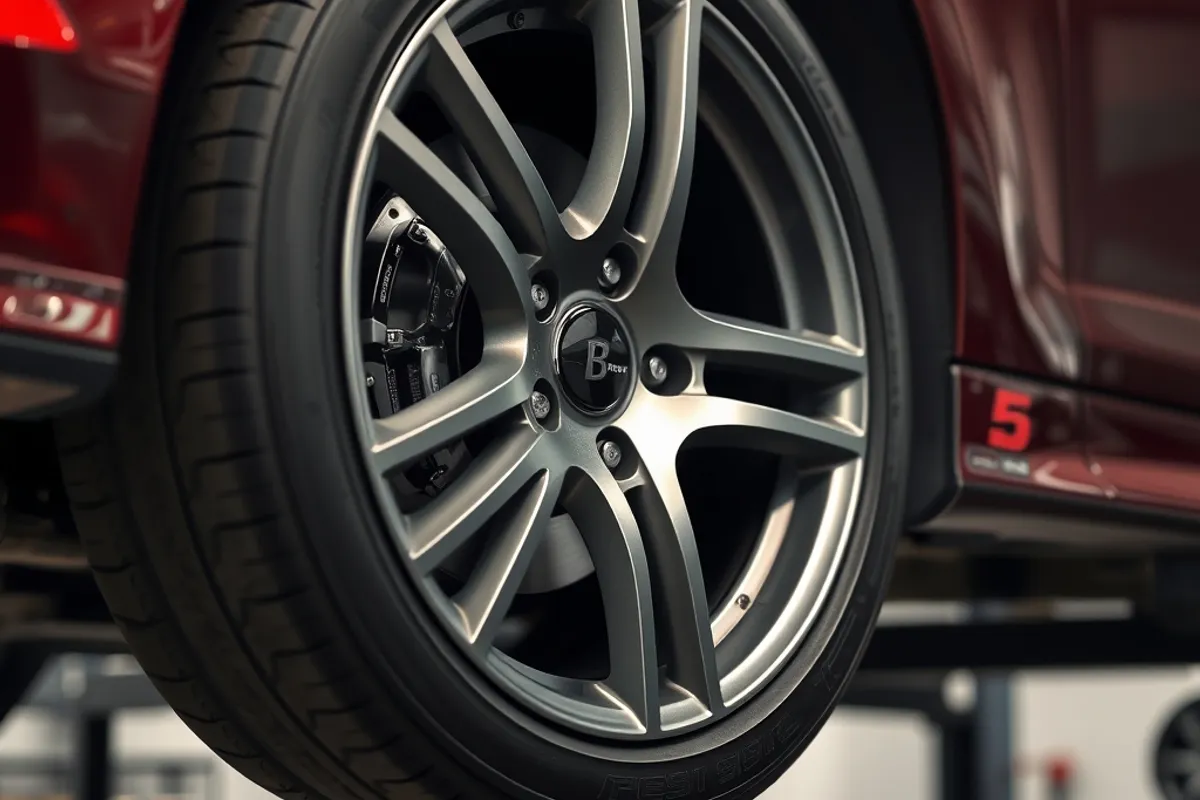
Cast wheels are the most common and the least expensive. Flow-formed wheels are stronger and lighter for a modest premium. Forged wheels are the lightest and strongest but cost the most. For a daily driver, a good flow-formed wheel is often the sweet spot.
Weight matters because it is unsprung mass. Lighter wheels improve the response of the suspension over bumps, but a very light, weak wheel is a false economy. Buy from a brand that publishes load ratings and test standards rather than a marketplace listing with no specification.
Fitment checks before you pay
Ask the seller to confirm the wheel fits your exact model, including brake package and suspension. Test-fit one wheel on the front and rear, turn the steering lock to lock and bounce the suspension. Look for contact with the arch liner, the brake caliper, the strut and the inner wheel well.
Check the lug nut seat type: conical, ball or flat. Using the wrong seat can loosen a wheel. Use the correct bolts and torque them to the manufacturer's specification with a calibrated wrench, then re-check after 100 km.
A wheel that rubs only on full lock is still a wheel that rubs. Fix the fitment before you damage a tyre or a liner.
Legal, insurance and resale
Some regions require the tyre to remain within the bodywork and the load rating to match the car. Check local rules before buying. Tell your insurer about the modification; an undeclared wheel change can complicate a claim. Keep the original wheels if you plan to sell the car, because a factory set often improves resale.
After fitting, get a wheel alignment. A change in offset or tyre size can alter the scrub radius and the way the car tracks. If the steering feels vague or the car tramlines, the alignment or the tyre choice is the first place to look.
Design that works with the car
Choose a spoke design that complements the body lines rather than fighting them. A busy multi-spoke wheel can look smaller than it is; a simple five-spoke often reads larger. Colour matters too: bronze and gunmetal suit warm and dark cars, while bright silver flatters lighter paint.
For cabin materials that match the exterior mood, read our interior materials guide. For the maintenance side, the used car checklist covers tyre and brake wear. More design coverage is on the Car Interior & Exterior Design desk.
Fitment checklist
- Match PCD and centre bore exactly.
- Confirm offset and width clear arch, strut and brakes.
- Keep rolling circumference close to standard.
- Check load rating and lug nut seat type.
- Test-fit front and rear at full lock.
- Torque to spec and re-check after 100 km.